
-
The Exhibitium Project is a data-driven project that focuses on art exhibitions regularly held by galleries, museums and art centers. These art exhibitions are understood as complex cultural phenomena resulting from of a variety of relationships...
-
The SNSF-funded project A world of possibilities. Modal pathways over an extra-long period of time: the diachrony of modality in the Latin language (WoPoss) aims at reconstructing the evolution of modal meanings from the prehistory of the Latin...
-
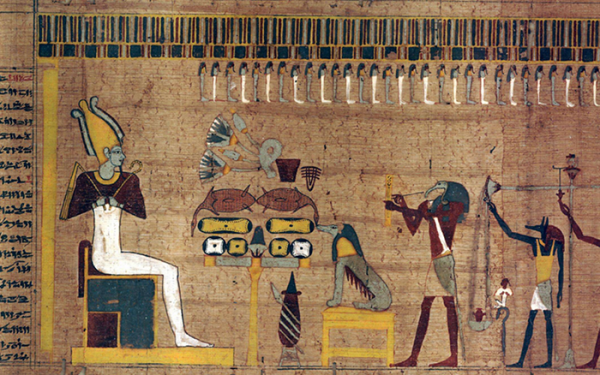
The Egyptian “Book of the Dead” is a corpus of c. 200 spells in the form of texts and/or illustrations and witnessed in varying order and completeness by c. 3000 objects. Regarding data standards and techniques, the digital environment resides...
-
Biblissima is an Observatory for Medieval and Renaissance Written Cultural Heritage in the Middle Ages and the Early Modern period. It is a data facility for historians of ancient texts that is mainly focused on the study of the circulation of...
-

Through the annotation and statistical analysis of a large corpus of French free verse, this project seeks to pinpoint recurring patterns specific to free verse, the very name of which bears an immediate contradiction. The apparently unregulated...
-
CAPERAM - acronym for CAtalogo PERmanente Artisti Molisani - is a public humanities project, within the cultural association "Lo Stilo di Fileta", aimed at mapping art and of the artists of Molise region.
-
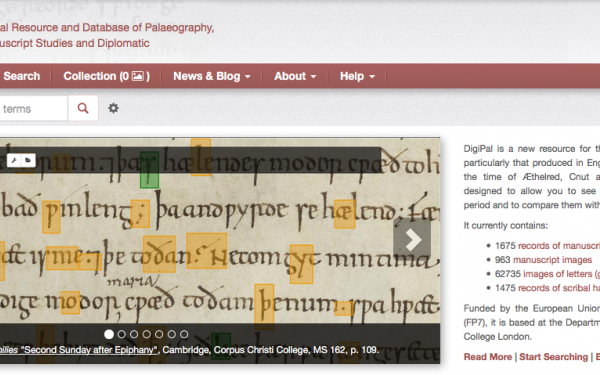
The Digital Resource and Database for Palaeography, Manuscript Studies and Diplomatic (DigiPal) aims to bring new methods in Digital Humanities to the study of medieval handwriting in its diplomatic and manuscript context by combining digital...
-
The University of Oxford Text Archive (OTA) develops, collects, catalogues and preserves electronic literary and linguistic resources for use in Higher Education, in research, teaching and learning. The OTA also gives advice on the creation and...
-
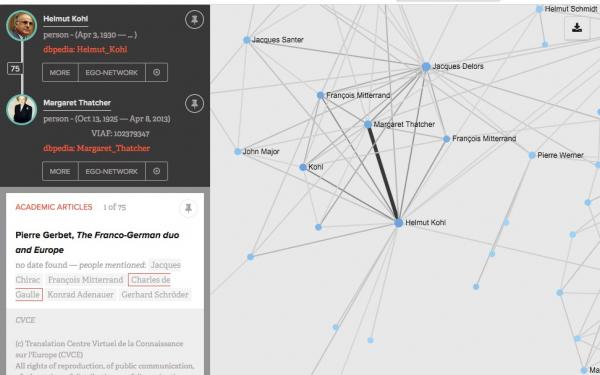
histograph treats large multimedia collections as networks and provides tools for their exploration and annotation. The underlying assumption is simple: if two documents mention for example the same person, place or institution, we assume that...
-
The CINEMAPS project aims to map cinema markets in the Netherlands and Flanders in the 1950s, 1960s and 1970s in a comparative study, combining a geospatial analysis of cinema density in both areas with data on pillarization, class and the...
-
Coding the Past is a project to disseminate short lessons on how to apply data science in humanities research.
-
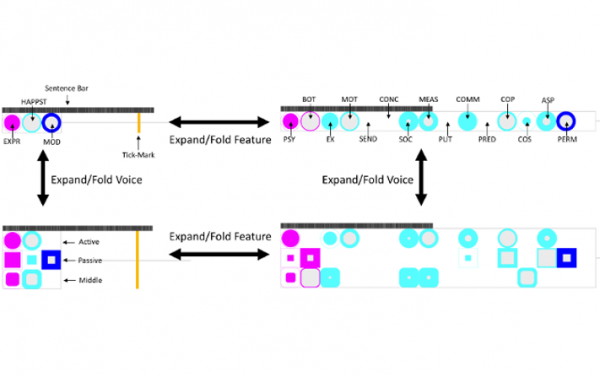
Within linguistics, the use of large sets of data via a combination of rule-based and stochastic methods is now standardly part of the analysis of language structure. However, novel visual computation techniques have only just begun to be...
-
The aim of this project is to develop a database of medieval Spanish dialogue poetry. It deals with a corpus which covers texts from the late twelfth century to the fifteenth century. From a pragmatic approach, it seeks to deepen the problem of...
-
CREATE is short for Creative Amsterdam: An E-Humanities Perspective, a research programme established in 2014. We are based at the department of Media Studies at the University of Amsterdam, and part of the Amsterdam Centre for Cultural Heritage...
-
Germania Sacra provides an Online-Portal with databases of clerics and monasteries, convents and collegiate churches of the Old Empire. The databases are linked to the project’s monographs. Digitised versions of these publications are freely...
-
EAGLE (Europeana network of Ancient Greek and Latin Epigraphy) is a best practice network co-funded through the ICT Policy Support Programme of the European Commission. By creating a seamless and centralised online database, EAGLE is providing...
-

A team of linguists, information scientists and political scientists embarks on the question when political negotiations are successful and why they are successful. In particular, we want to develop automatic tools that analyse political...
-

#dariahTeach is an open source, multilingual, community-driven platform for high quality teaching and training materials for the digital arts and humanities. Begun in January 2015, the mission of #dariahTeach strategic partnership was to develop...
-
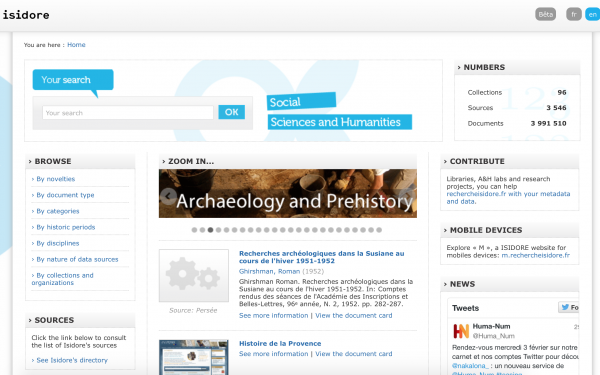
Isidore is a platform of search allowing the access to digital data of Humanities and Social Sciences. Open to all and especially to teachers, researchers, PhD students, and students, it relies on the principles of Web of data and provides access...
-
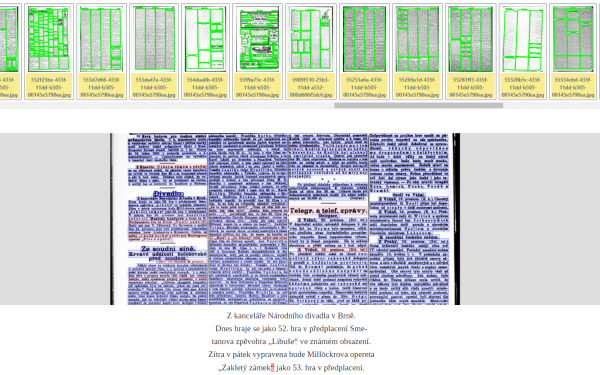
The project aims to create technology and tools which would improve accessibility of digitized historic documents. These tools, based on state of the art methods from...
-
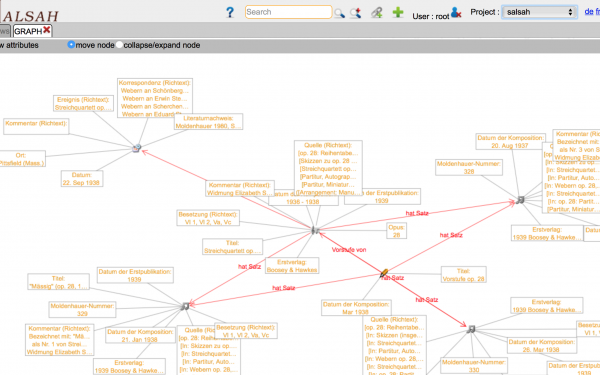
SALSAH stands for System for Annotation an Linkage of Source in Arts and Humanities. It is a virtual research environment for the humanities.
-

https://engineeringhistoricalmemory.com/
Engineering Historical Memory (EHM) is an ongoing initiative supported by about 130 scholars and engineers in collaboration with international...
-
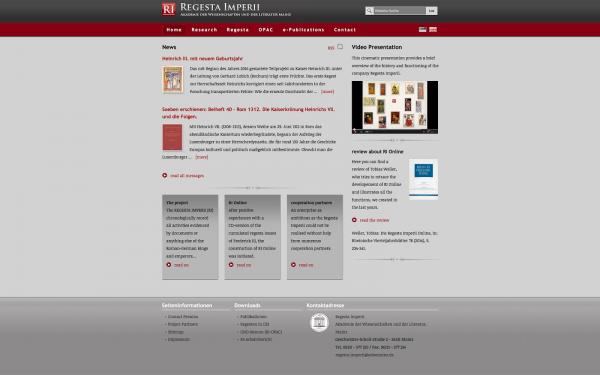
The REGESTA IMPERII (RI) chronologically record all activities evidenced by documents or anything else of the Roman-German kings and emperors from the Carolingians up to Maximilian I (ca. 751-1519) as well as of the popes of the early Middle Ages...
-
 Europeana Newspapers is a European Commission-funded project which has provided online access to around 12 million pages of historical newspapers from 23 European libraries and metadata relating to more than 20...
 -
Monasterium.net is a virtual archive, a community and a research platform on medieval and early modern charters. About 60 archival institutions from 10 European countries and research projects from all around the world make more than 450.000...
-
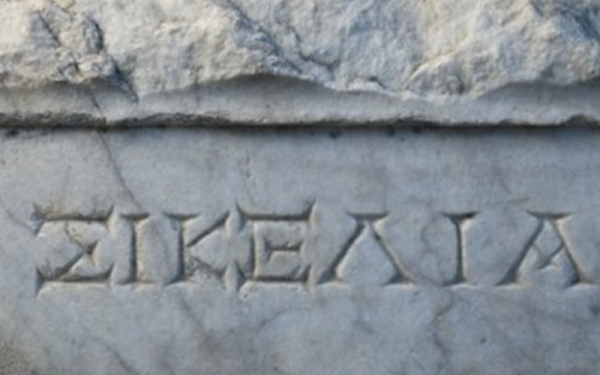
I.Sicily is a project to create and make freely available online the complete corpus of inscriptions from ancient Sicily. The project includes texts in all languages (Greek, Latin, Phoenician/Punic, Oscan, Hebrew, and Sikel), from the first...
-
Open Art Images is a search and visualization engine for high-resolution images of artworks - from all around the world and from every period in history - that belong to the public domain or to a type of license which allows their reuse. All...
-
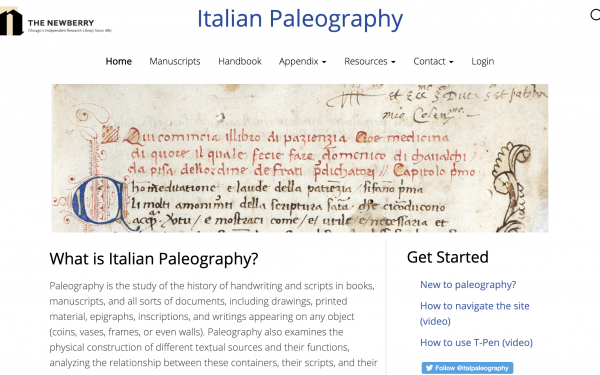
Italian Paleography is a Mellon-funded digital project on Italian vernacular Paleography, which provides digital tools to learn and teach how to read handwritten original sources dating from the late 1100s to the late 1700s, offering a wide range...
-
The Lexicon of Scholarly Editing is a freely accessible multilingual academic resource that offers definitions for contested concepts in the field of Scholarly Editing and Textual Criticism. Rather than writing new definitions for theoretical...
-
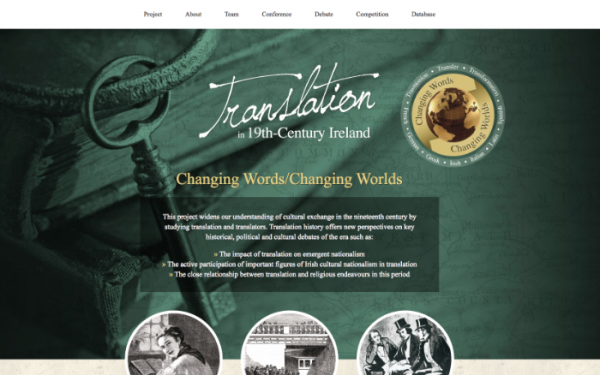
The database is a collection of names of translators and works of translation from nineteenth-century Ireland. Translators who were born in Ireland or who lived for a large part of their lives in Ireland are included. Translators who were born at...
-
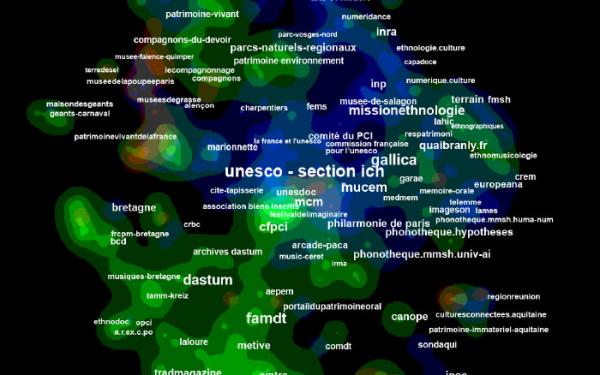
The protection of the Intangible Cultural Heritage of UNESCO is ensured by a complex network of actors: institutions, associations, groups and individuals. The goal of this project is to understand which are the main actors in France and monitor...
-

The Recognition and Enrichment of Archival Documents (READ) project is focused on making archival material more accessible through the use of cutting-edge technologies. Building on research undertaken by the tranScriptorium project (...
-
Emapic tries to facilitate the representation on maps of the knowledge, opinions and feelings of the citizens worldwide, respecting the privacy of their personal details. Through different geolocation methods, and always with the authorisation...
-
The project "History and Memory online. Challenges and opportunities for knowledge of the past on the Internet" (HISMEDI), tries to find out how historical knowledge is represented, how it is generated and by whom, how socializing takes place in...
-
A linked open data (LOD) based framework for keeping research data from the Humanities online for a indefinite amount of time (that is, keeping the research data really accessible on the long run). An important part is a complete timestamp based...
-
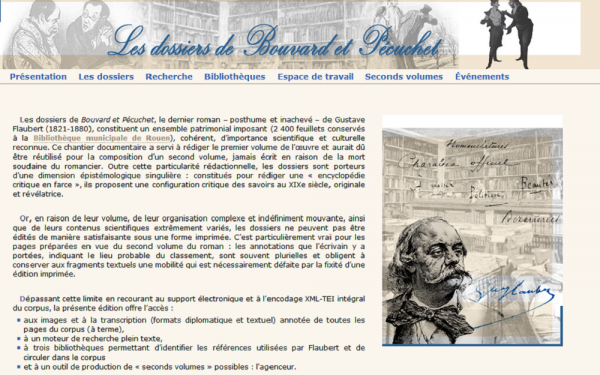
The project publishes on line a complex patrimonial set (combining manuscripts, printed and mixed materials) of high scientific and cultural significance: the documentation files (now kept at the Rouen library) that Flaubert gathered to write his...
-
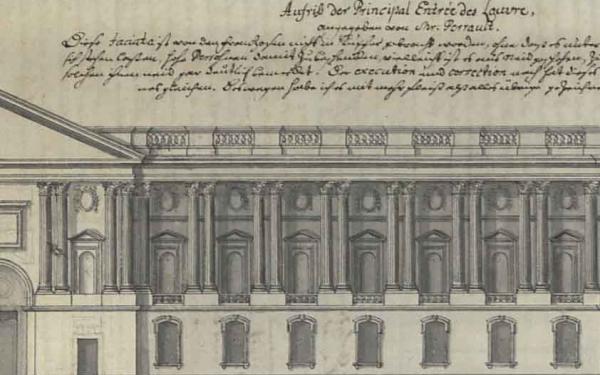
The project aims at scrutinizing the content of six substantial German travel accounts dating from 1685 to 1723, the earliest hitherto known, in which profound and reasoned judgements and opinions on French art and architecture have been rendered...
-
The main aim of the “Digital Library of Galician Literary Translation” database, which began in 2003 run by the BITRAGA research group, is to provide a wider political and cultural forum for literary translations both from and into Galician. The...
-
Artefacts is a digital online encyclopedia devoted to archaeological small findings. It gathers data from publications, museums and private collections to offer an image of objects forms, with a description, chronology and illustrations, as well...
-
The Database of Byzantine Book Epigrams (DBBE) aims at making available textual and contextual data of book epigrams (or: metrical paratexts) to be found in Byzantine manuscripts (seventh to fifteenth century).
Book epigrams are poems in... -
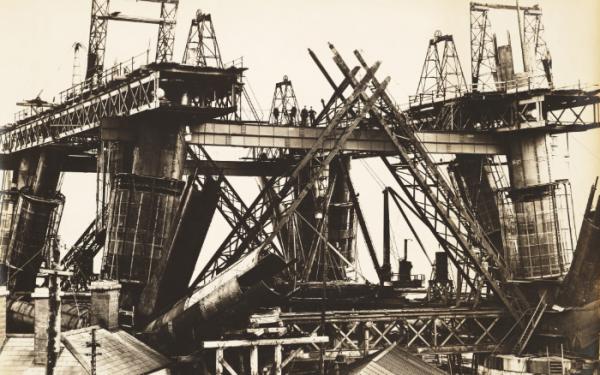
The Data Foundry is the National Library of Scotland's data-delivery platform, and forms part of the Library's Digital Scholarship Service. Launched in September 2019, the website makes the Library's collections data available, including...
-
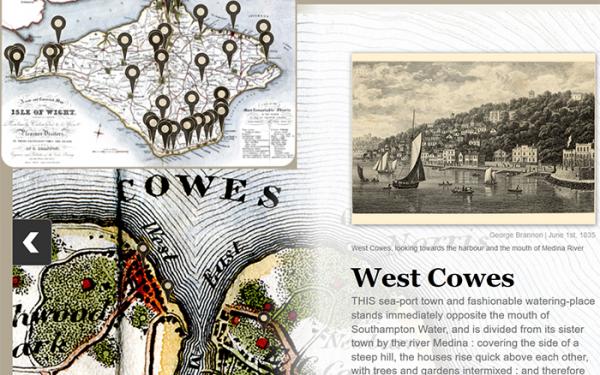
An 1830s Pleasure Trip to the Isle of Wight, U.K.
This cartographic journey features 41 copperplate engravings depicting scenic landscapes and buildings on the Isle of Wight (Latin: Vectis). The engravings, the overview map and the written...
-
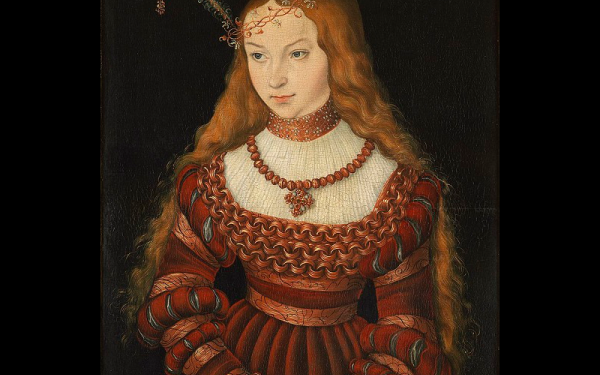
Private correspondences of early modern Saxon dukes and duchesses since John Frederick the Magnanimous (1503-1554) were digitized, transcribed in full text and annotated, their metadata were recorded in a database. By means of the xml-based...
-
The aim of CENDARI is to pilot the implementation of a virtual research infrastructure which will allow scholars to access historical resources across institutional and national boundaries. At the core of the CENDARI environment are federated...
-
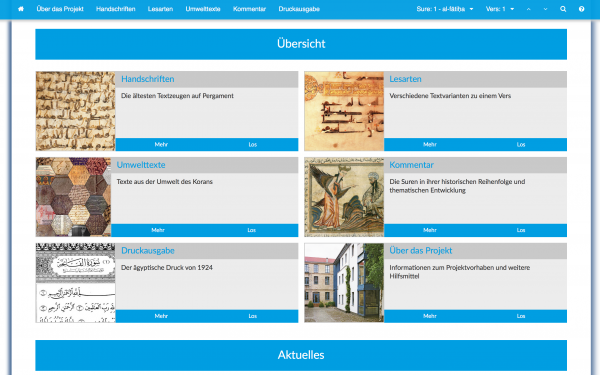
The project Corpus Coranicum of the Berlin-Brandenburg Academy of Sciences and Humanities (2007-2024) is exploring the Qur'an from three different angles: (1) Textual History: databases of ancient manuscripts and variant readings give insights...
-
La Società Italiana di Linguistica Forense (d’ora in poi SILF) vuole pubblicare un carnet de recherche (scientific blog) per iniziare a raccogliere le riflessioni...
-

The DMMapp (Digitized Medieval Manuscripts App) links to more than 500 libraries in the world. Each one of these contains digital medieval manuscripts that can be browsed for free. The DMMapp aims at facilitating access to these resources and...
-
This project systematically applies selected methods of formalized modeling and computational simulations to the study of the diffusion dynamics of religious ideas and forms of behavior. As such, the project strives to integrate a specific...
-
ExploringSHUA created a method for turning text and media archives into engaging, informative stories using deep mapping, GIS and archive media to bring hyperlocal history to life. Redefining and reimagining how we interact with local history...
-
Generating poetry from biometric data, Eververse literalises the abstract relations between self and art. Deploying tools and methods from poetic theory, data analysis, and Natural Language Generation Eververse uses data from a quantified self...
-
The Project Deutsche Inschriften (DI) aims at collecting and editing all Latin and German inscriptions of the Middle Ages and the early modern period up to the year 1650. The collection area covers Germany, Austria and South Tyrol. Every DI...
-
The Art of Travel, 1500-1850, is a database of European travel advice literature (Ars apodemica) from the sixteenth to the nineteenth centuries. The project aims to recover and reconstruct the transnational genre of travel advice literature,...
-
3DH is a 3-year pilot project funded by Hamburg’s Ministry for Science and Research. It focuses on the dynamic visualisation and exploration of Humanities data from a DH perspective. The 'third dimension' of the 3DH approach is not necessarily...
-
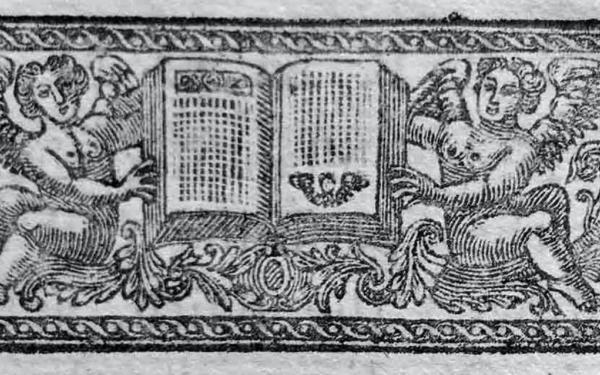
Compositor is a database of eighteenth-century printers’ ornaments. Eighteenth-century books were highly decorated and decorative. Their pages were adorned with...
-
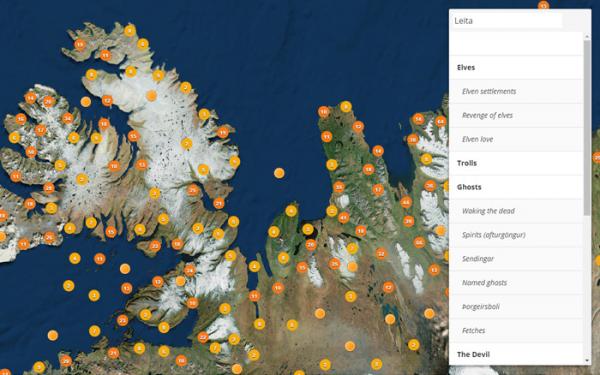
Sagnagrunnur is a geographically mapped database of the main published collections of Icelandic folk legends. The database features a distribution map of published Icelandic legends, and displays both the homes of the original storytellers and...
-
@note is a collaborative annotation system developed under the auspices of the Google’s 2010 Digital Humanities Awards program. It is developed by ILSA (Research Group on Implementation of Language-Driven Software and Applications) and LEETHI...
-
The aim of Mnemosyne. Digital Library for Rare and Forgotten Literary Texts (1868-1936) is to select, categorize, and make visible in digital format literary texts that belong to a forgotten repertoire in order to allow a historical review of the...
-
At least 80 per cent of modern and postmodern poems have neither rhyme nor metrical schemes such as iambic or trochaic meter. Does this, however, mean that they lack any rhythmical features? According to US research on free verse prosody, the...
-
At least 80 per cent of modern and postmodern poems have neither rhyme nor metrical schemes such as iambic or trochaic meter. Does this, however, mean that they lack any rhythmical features? According to US research on free verse prosody, the...
-

Rescribe's Latin Optical Character Recgnition (OCR) software is aiming to provide a free and open source software package to enable individual researchers and libraries to convert scanned images of early modern printed books into machine-readable...
-

As an index of biblical references found in both Western and Eastern Christian literature, at present covering the first four centuries but with the intention of extending over the whole of Late Antiquity and the early Middle Ages, BIBLINDEX aims...
-
The project aims to develop the first database of literary controversies in the Italian Cinquecento. The PoLet500 archive will consist of a growing number of cards linked to each other by the quality of their intertextual components: the...
-
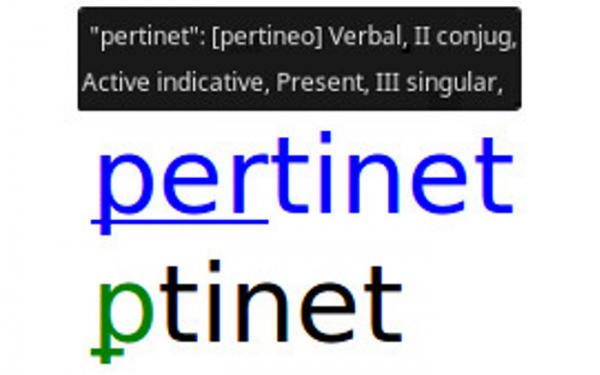
An experimental scholarly digital edition of section "De nomine" (folia 1r-11r) of the "Adbreviatio artis grammaticae" by Ursus from Benevento from codex Casanatensis 1086 (IX century), edited by Paolo Monella within the ALIM Project (2017).
-
The continuous growth of produced data by research institutions and other knowledge generators rises the strategic question of how this data could be handled. When this question can be solved by using big data technologies appliance, the issue of...
-
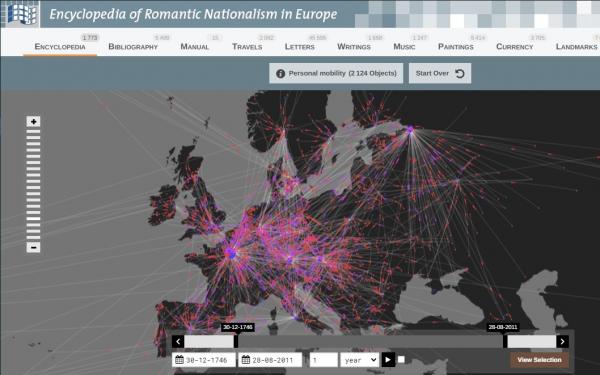
Mapping the culture-borne international spread of nationalism in Europe’s "Romantic Century," 1789-1914. ERNiE contains analytical articles on persons and themes, as well as multimedia...
-
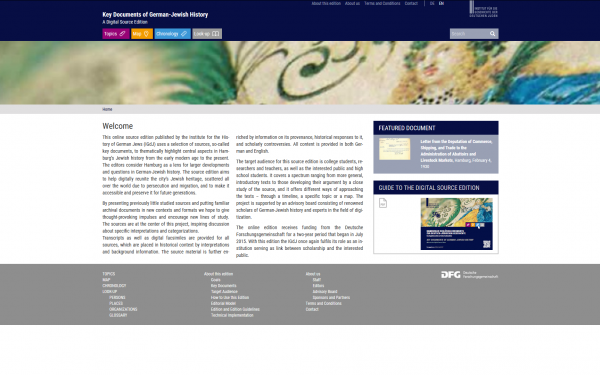
The online source edition highlights central aspects of local, regional, and general German‐Jewish history providing approximately 150 digitized key documents. We consider Hamburg to be a “magnifying lens”; with reference to a tangible example,...
-

The international research project on the history of archaeological computing, conducted in cooperation with the Italian National Research Council and Accademia Nazionale dei Lincei, was designed to retrace the development of a boundary...
-
DARIAH Germany started in 2011 as one of the first partners in the DARIAH-EU network. DARIAH-DE supports digitally based research in the arts and humanities. The services of DARIAH-DE adress both technical infrastructure (storage, software, tools...
-

The Digital Orientalist is a weblog-styled website about engaging with Islamic and Middle East Studies on your computer. The focus is on students' and scholars' everyday workflow. It provides theoretical reflections and practical examples. It is...
-
Acción Cultural Española (AC/E) is a public institution that fosters and promotes culture through a wide-ranging programme of activities and initiatives designed to encourage the mobility of professionals and creators. We bring this same spirit...
-
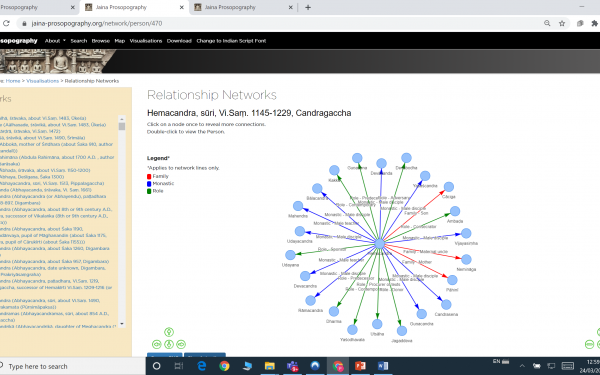
https://jaina-prosopography.org/
The database was created for the sociological investigation of the history of Jaina monastic lineages, the relationships between Jaina mendicants and...
-
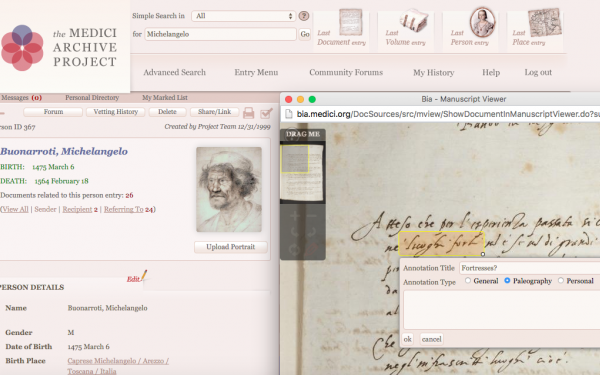
BIA represents the culmination of over twenty years of research and development in historical scholarship and digital humanities. BIA is more than a search tool, but a digital portal to an otherwise lost world of early modern Europe from the...
-

PLUGGY is a brand new social networking platform and a suite of smartphone apps, designed to promote citizens’ active involvement in bringing out their local cultural environment and in safeguarding and enriching the European cultural heritage...
-

The Environment & Society Portal is a gateway to open access resources about human participation in, and understandings of, the environment. It addresses the community of teachers and researchers in environment-related humanities, as well as...
-

Our database is founded on E. A. Lowe's Codices Latini Antiquiores and thus focuses on non-documentary texts written before the year 800. All of the manuscripts in Lowe's corpus and its supplements will be found in our database, along with...
-

At HMS.scot you can find the details of over 200 Scottish printed sources of fiddle music from before 1850. There also images and indexes of 22 whole books from the University of Glasgow and Perth's A K Bell Library...
-
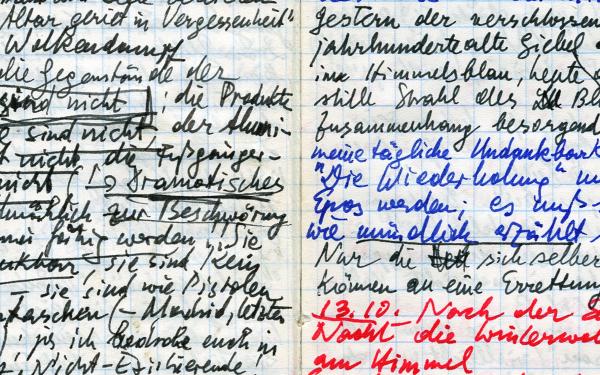
https://edition.onb.ac.at/handke-notizbuecher
In this cooperation project between the Literary Archive of the Austrian National Library and the German Literature Archive Marbach,...
-
The MADDLAIN project aims to analyse the behaviour and needs of different audiences with regard to digital access to the collections offered by the CegeSoma, the Royal Library of Belgium and the State Archives of Belgium.
The project...
-
This project investigates the possibilities of topic modeling technologies for research on the dissemination of new philosophical ideas in the Dutch Republic during the period 1650-1725. In his influential work Radical Enlightenment (2001),...
-
The InTaVia project aims to overcome the obstacles in the scientific, expert and non-expert processing of the transnationally collected cultural and historical data with a deliberate...
-
PAVONe is an online digital corpus of the Gospels in Arabic. This online database includes both explicit and implicit verses of the Gospels with different layers of metadata (textual, paleographical, codicological, linguistic, etc.). Over time,...
-
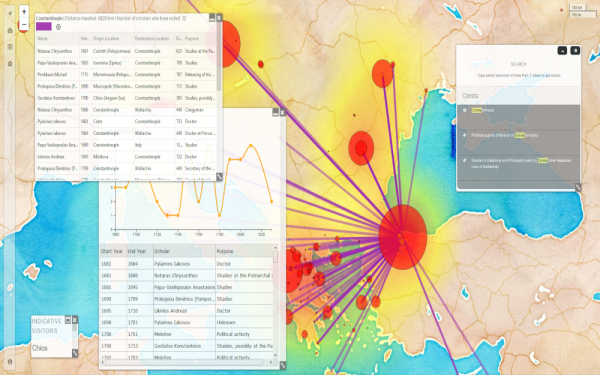
The project uses some of the latest innovations in digital mapping in order to provide user friendly dynamic web maps of the itineraries of traveling scholars, and visually represent the building of networks between scientific and technical...
-
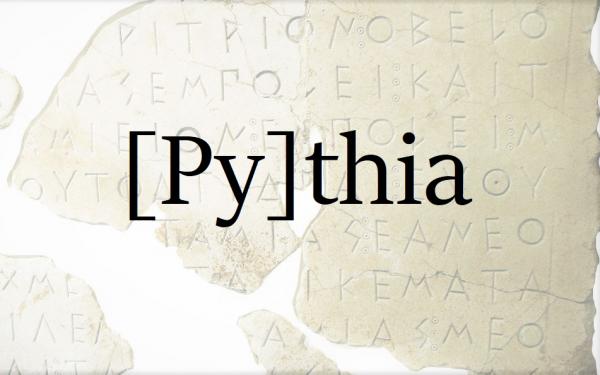
Pythia is the first ancient text restoration model that recovers missing characters from a damaged text input using deep neural networks. It offers an automated aid to the epigraphic restoration of fragmentary inscriptions, providing historians...
-
FAIMS Mobile is an open source, generalised and customisable system for digital data collection on Android, created by the FAIMS project. As a server-client system it facilitates simultaneous operation by multiple users. It is designed to work...
-
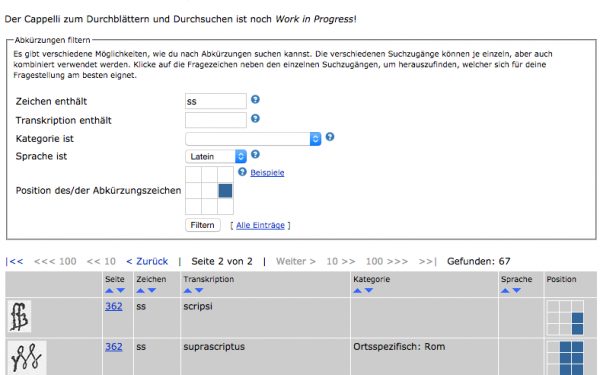
Adriano Cappelli's «Lexicon abbreviaturarum» is one of the most renowned collections of abbreviations. In a very successful crowd sourcing project, Ad fontes (www.adfontes.uzh.ch), an e-learning platform...
-
Research
Research One of LINHD’s cornerstones as a center for innovation is interdisciplinary and team research through large areas and projects that combine humanities and technology at the same level of importance. This approach is...
-
PARTHENOS aims at strengthening the cohesion of research in the broad sector of Linguistic Studies, Humanities, Cultural Heritage, History, Archaeology and related fields through a thematic cluster of European Research Infrastructures,...
-
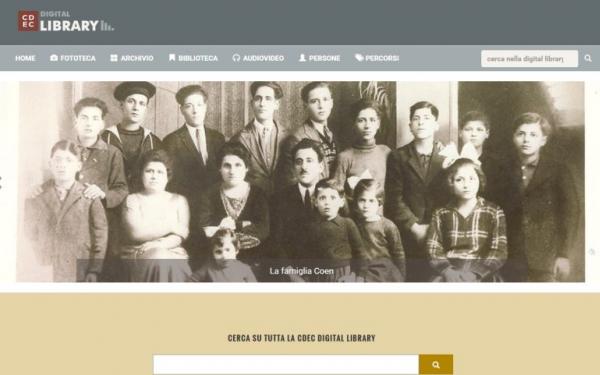
The main aim of the Open Memory Project is the publication on the web of information and resources coming from the CDEC Foundation’s archives and library, using the Linked Open Data Technologies. The Open Memory Project has been realized by the...
-
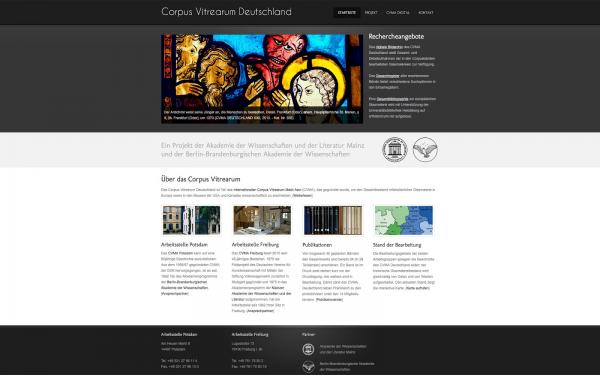
Corpus Vitrearum Germany is part of an international research project on medieval glass paintings. The German project team is divided into two workplaces located in Freiburg and Potsdam. They are funded by the Academy of Sciences and Literature...
-
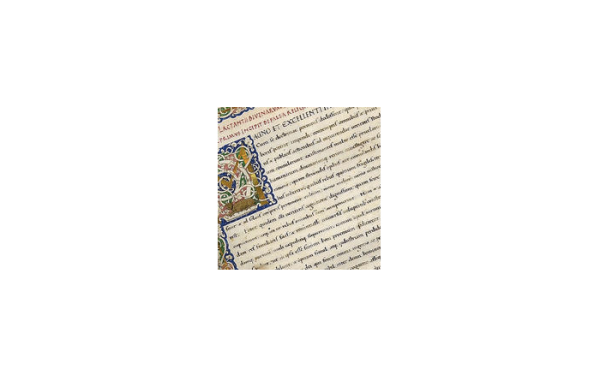
The Mapping Manuscript Migrations project is linking disparate datasets from Europe and North America to provide an international view of the history and provenance of medieval and Renaissance manuscripts. Researchers will be able to analyse and...
-
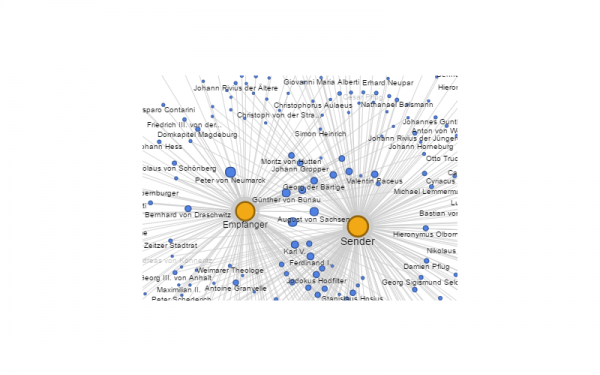
The project visualises the correspondence of Julius Pflug (1499-1564), last bishop of Naumburg. It is based on the printed edition of Jaques V. Pollet.
-
https://titus.fkidg1.uni-frankfurt.de/cordon/menu/eng/start.html
The project “Digital Old Lithuanian: Corpus of Kristijonas Donelaitis (1714–1780)” (CorDon) has...
-
Romans 1by1 is a population database recording people identified in Greek and Roman epigraphy. At the moment, the provinces of Moesia Inferior, Moesia Superior, Dacia and Pannonia Superior are covered (6 C. BC - 4 C. AD). We have intended it to...
-
The PROVIDEDH project (PROgressive VIsual DEcision-Making in Digital Humanities) aims to provide visual interactive tools that convey the degree of uncertainty of the datasets and computational models used behind, designed to progressively adapt...
-
This virtual visit of the Dalmatian School, featuring a cycle of early Sixteenth Century paintings by Vittorio Carpaccio, consists of an in depth utilization of panoramic digital photography to first contextualize the artwork within its...
-
tranScriptorium aims to develop innovative, efficient and cost-effective solutions for the indexing, search and full transcription of historical handwritten document images, using modern, holistic Handwritten Text Recognition (HTR) technology....
-
Welcome to the world of machiavellianotium! This website documents the research of a project dedicated to discovering a somewhat different side of Machiavelli: not the public servant engaged in Florentine politics and diplomacy, writing about the...
-
The LdoD Archive is a collaborative digital archive of the Book of Disquiet by Fernando Pessoa. It contains images of the autograph documents, new transcriptions of those documents and also transcriptions of four editions of the work. In addition...
-
http://www.polodigitalenapoli.it/
The "Pole of cultural institutes of Naples" was born in July 2013, when the Italian Institute for Historical Studies, the Pio Monte della Misericordia, the...
-

TXM is a free and open-source cross-platform Unicode & XML based text/corpus analysis environment and graphical client, supporting Windows, Linux and Mac OS X. It can also be used online as a J2EE standard compliant web portal (GWT based)...
-
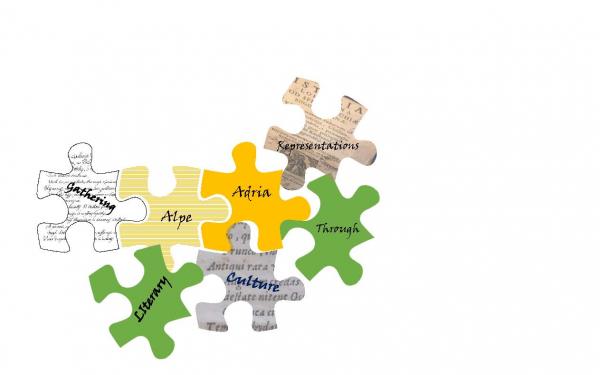
FRANKOSTRUKCIJA: the reconstruction of the literary-historical and cultural circle of the Alps-Adriatic in the Early Modern period in the context of the activities of the noble families Frankopan or Frangipane. Previous studies have shown that in...
-
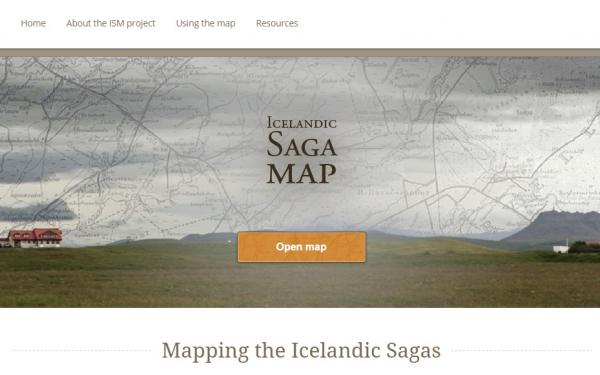
The Icelandic Saga Map is first and foremost intended as a resource to enable specialists and non-specialists alike to approach the Íslendingasögur (medieval Icelandic 'Sagas of Icelanders') from a spatial perspective. To this end, Icelandic and...
-
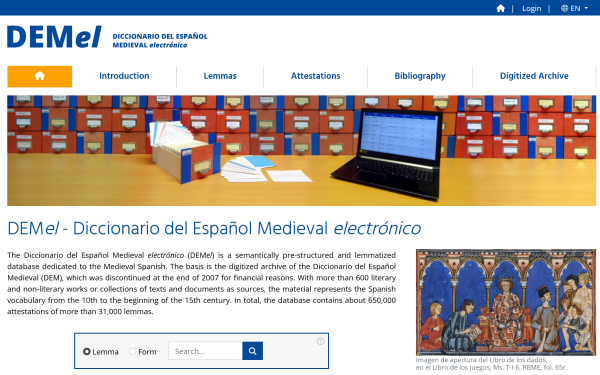
The Diccionario del Español Medieval electrónico (DEMel) is a semantically pre-structured and lemmatized database dedicated to the Medieval Spanish. The basis is the...
-
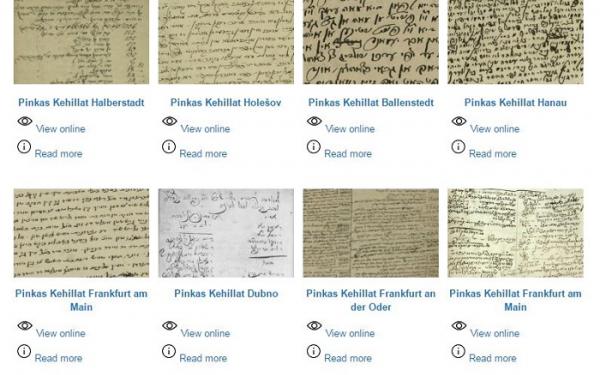 The Pinkassim Project, a collaboration between the National Library of Israel, the Simon Dubnow Institute for Jewish History and Culture at Leipzig University and internationally renowned scholars, is a...
 -
Strategies to attract STEM students to World culture courses and engage them in their content. In the arts, as in science, meaning comes from perpetual inquiry, making the World culture classroom the ideal environment for connecting disciplines....
-
The PROPYLÄEN project offers access to Goethes Biographica. His diaries, correspondences and evidences of meetings and conversations will be presented digitally for the first time beside the traditional printed editions on an integrated web site...
-
The reception of Plato’s work in ancient times is characterized by a tremendous diversity and has not nearly been researched enough. The goal of the interdisciplinary project Digital Plato is to remedy these deficiencies and compile testimonies,...
-
The library publishes prose texts written in Latin in the late antiquity, annotated according to the XML-TEI standards, and offered in Open Access for reading and research. A complete canon of authors and works is also available.
-
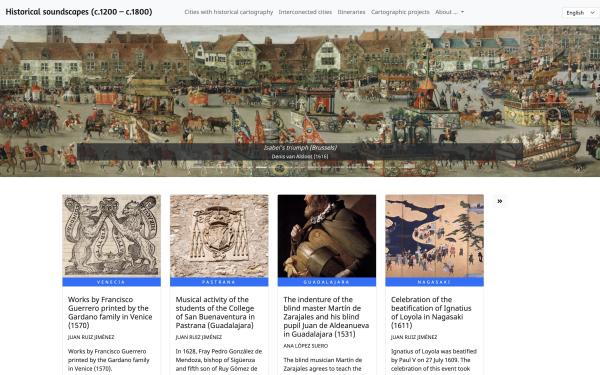
This platform is designed to explore historical urban soundscapes, aided by the outreach potential made possible through new technologies. It will allow users to recreate music of the past in historical locations through the use of online...
-
CLiGS (Computational Literary Genre Stylistics) is a junior research group in which researchers from Literary Studies and Computer Science work together. We study, use, adapt and develop quantitative methods of text analysis to investigate French...
-
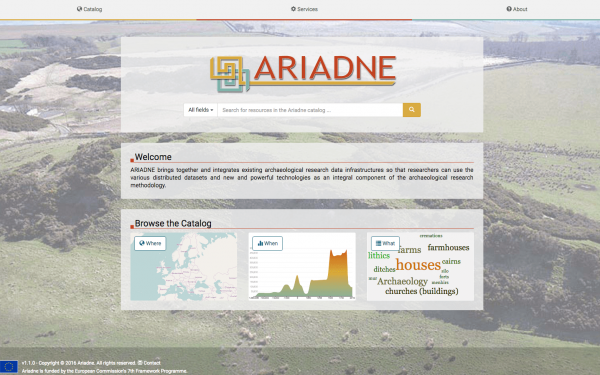
ARIADNE brings together and integrates existing archaeological research data infrastructures so that researchers can use the various distributed datasets and new and powerful technologies as an integral component of the archaeological research...
-
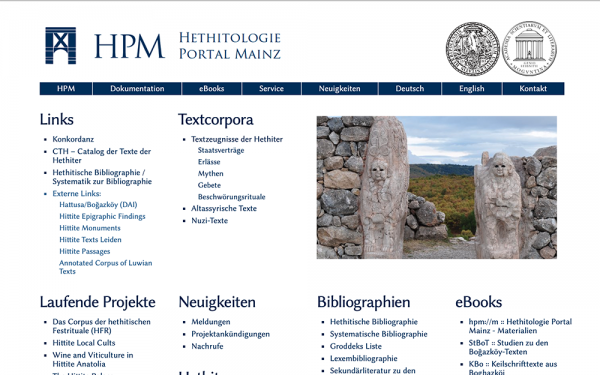
The Hethitologie-Portal Mainz (HPM) is a digital research infrastructure for Hittitology and related fields of study. HPM provides research materials, such as text sources (e.g., critical editions of Hittite cuneiform texts), reproductions (e.g...
-
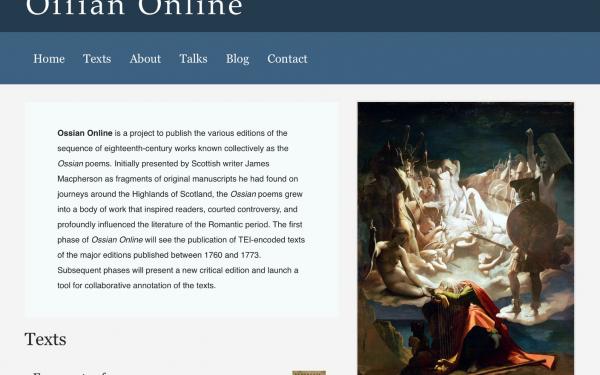
Ossian Online is a project to publish the various editions of the sequence of eighteenth-century works known collectively as the Ossian poems. Initially presented by Scottish writer James Macpherson as fragments of original manuscripts he had...
-

Kinsources is an open and interactive platform to archive, share, analyze and compare kinship data used in scientific research. Kinsources is not just another genealogy website, but a peer-reviewed repository designed for comparative and...
-
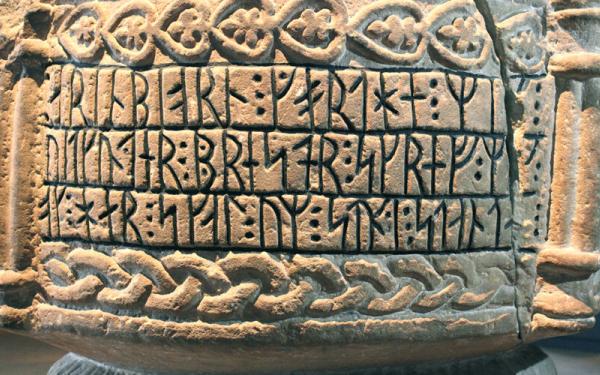
Baptisteria Sacra Index (BSI) is an international iconographical index of baptismal fonts with photographs of their pictorial ornamentation and settings from...
-
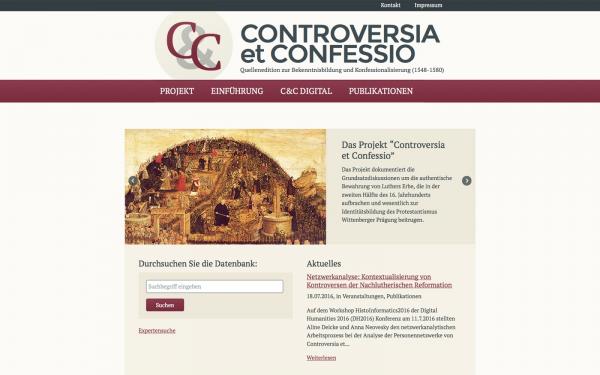
The research and editing project Controversia et Confessio documents the theological disputes that broke out after the promulgation of the Augsburg Interim from 1548 and its conceptual alternative, the Leipzig Interim.
Contrary to the...
-
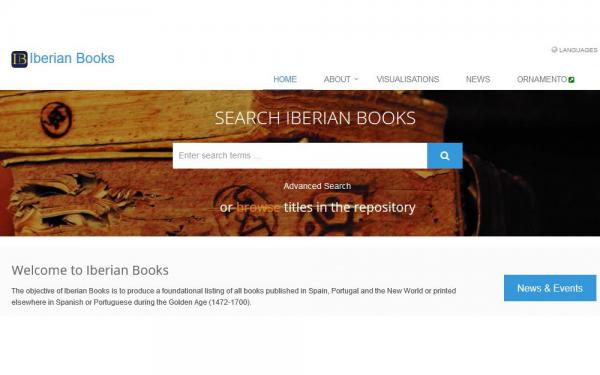
Iberian Books offers a foundational listing of all books published in Spain, Portugal and the New World or printed elsewhere in Spanish or Portuguese during the Golden Age, 1472-1700. Bringing together information on 131,000 items, surviving in...
-
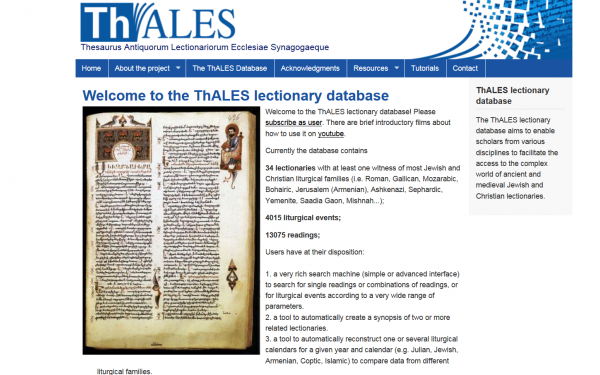
Database of fixed liturgical readings in Late Antique and Medieval Jewish and Christian worship. The database contains currently ca. 15000 readings, from 34 lectionaries, on 4000 events and is growing further in order to study comfortably the use...
-

This project focuses on the politics of representation and intercultural communication using film and video productions.
The project explores the significance and consequences of self-representation practices in Colombia as a response to... -
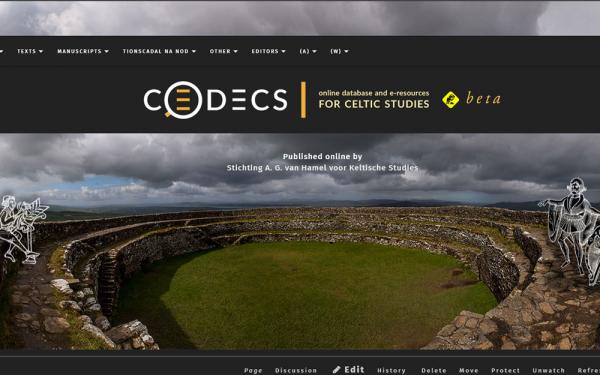
CODECS is a collaborative web platform which draws heavily on data management technologies from Semantic MediaWiki and its spin-offs to accommodate resources for the benefit of scholars of Celtic studies worldwide. By far its most ambitious...
-
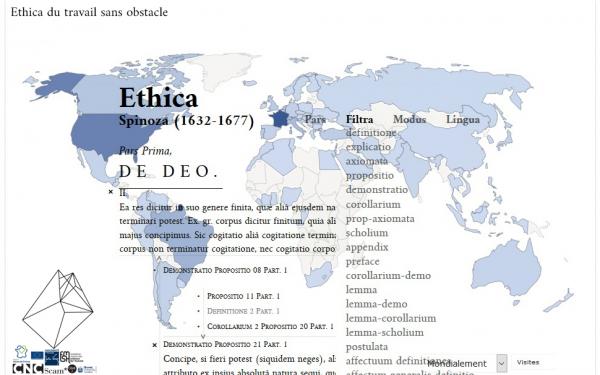
Ethica, work without obstacle, is a free internet application for internet and smartphones (http://app.ethica-spinoza.net/en/text) which proposes a digital and augmented edition of the Ethics by...
-
The main objective of the project „Open Encyclopedia System (OES)“ is to develop a standardized web-based open source platform for building and maintaining scientific online encyclopedias, which will be publicly available, free of charge on the...
-
The project aims to provide a systematic survey and accurate description the earliest manuscript illustrations of Dante’s “Divine Comedy” (14th-15th century) revealing up to the smallest meaningful reference to the poem. The web portal will...
-
The main purpose of our database project is to compile an exhaustive, open-access bibliographical corpus of medieval Catalan literature, to be updated annually and accessible in Catalan, Spanish and English.
-
GLODIUM (ISBN 978-88-942416-9-3) is an Italian glossary that defines terms and concepts related to the world of digital humanities. The entries are continuously updated.
-
Research Infrastructure on Religious Studies (ReIReS) is a starting community that aims to create a unique and groundbreaking research infrastructure (RI) on religious studies within the European Research Area. It joins the major European...
-
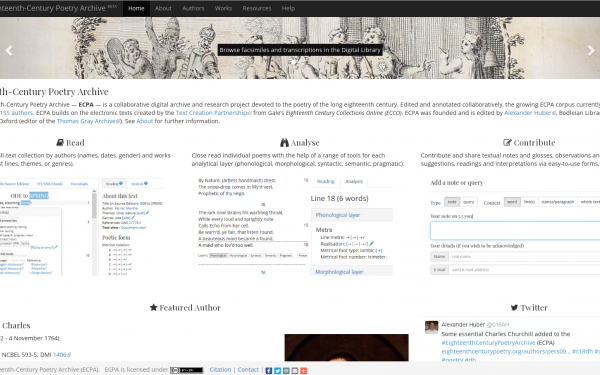
The Eighteenth-Century Poetry Archive (ECPA) is a digital project in support of the teaching, study, and research of the poetry of the long eighteenth century. It comprises a full-text collection of richly-encoded digital texts and a research...
-
Since 2009, the Cultures of Knowledge project, based at the University of Oxford, has been using a variety of research methods to reassemble and understand early modern correspondence networks.
During our first phase of activities, between...
-
Ireland Illustrated, 1680-1860, is a database of over 500 images of Ireland, with accompanying text, drawn from more than 50 manuscript and printed works, and highlighting several neglected or rarely accessible sources. It provides an opportunity...
-
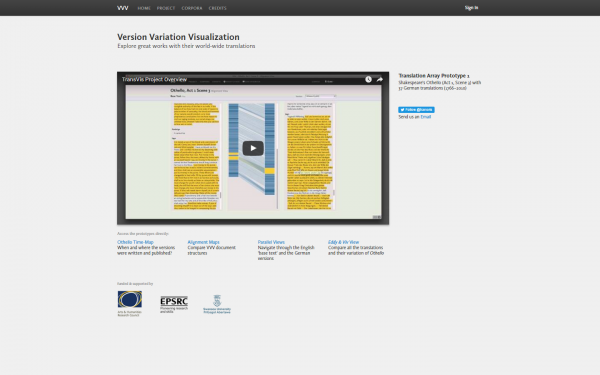
VV's TransVis or Translation Array Prototype is an online system for exploring a corpus of translations of a work. Among various interfaces and outputs, the interface "Eddy and Viv" (E&V) enables users to see which passages in a translated...
-

The Palimpsest Project, initiated by Miranda Anderson and generously funded by the AHRC, enables users to explore the dimensions of literary Edinburgh through their encounters with geolocated extracts of literary works either via the web resource...
-
CLARIN is the Common Language Resources and Technology Infrastructure, which provides easy and sustainable access for scholars in the humanities and social sciences to digital language data (in written, spoken, or multimodal form), and to...
-
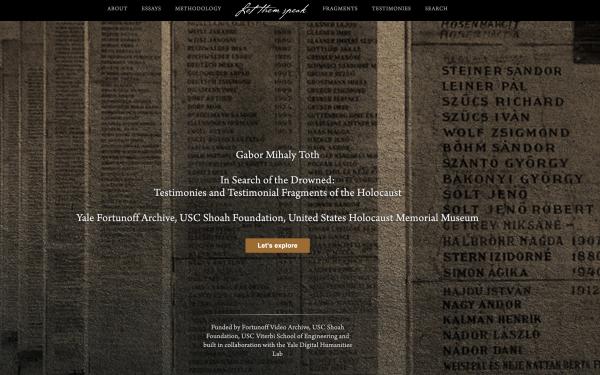
https://lts.fortunoff.library.yale.edu/
This open-access digital monograph and edition of 2700 oral history testimonies aims to document the Holocaust from the victims’ perspective. It...
-
Wardrops' Collection Online (WCO) is a digital repository and research project devoted to the Wardrops' Collection of Georgian manuscripts preserved at the Bodleian Library. The repository aims to stimulate different approaches to linguistic,...
-
The database will contain information of the repertoire of the City Theatre of Amsterdam since the new building at the Leidseplein in 1774. By collecting information from advertisements, yearbooks, programme books, etc. dates of performances,...
-
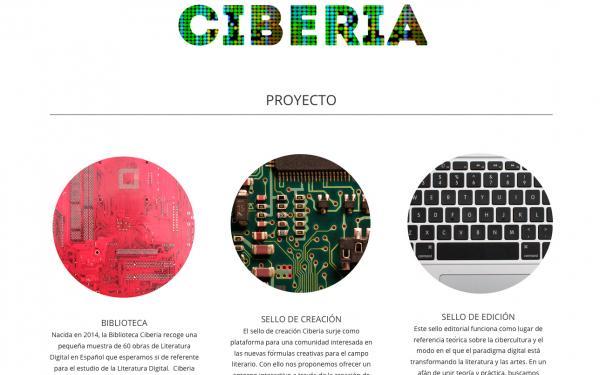
This project intends to function as a platform for a community interested and/or specialized in new creative forms of literary publishing, using the Ciberia database as the confluence point and origin of collective interaction, creation and...
-
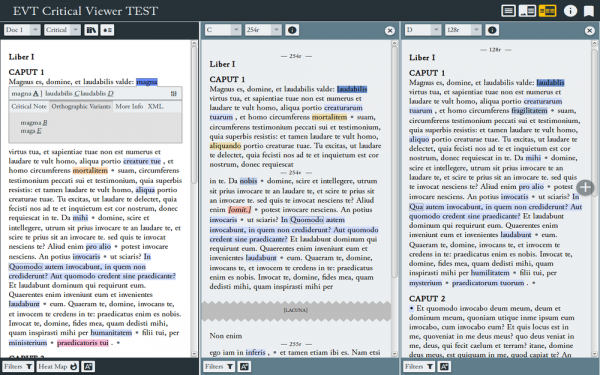
EVT is a light-weight, open source tool specifically designed to create digital editions from TEI XML-encoded texts, freeing the scholar from the burden of web programming and enabling the final user to browse, explore and study digital editions...
-
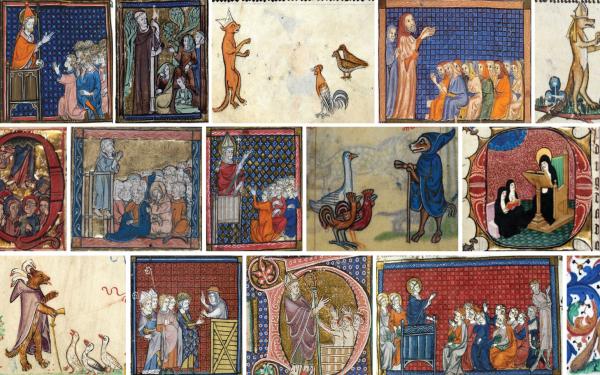
ThEMA is a database of over 12000 (and growing) exemplary anecdotes (exempla) from the Middle Ages giving special insight into the imagination of men and women in the Medieval West and beyond, from Russia and the Middle East to China and Japan....
-
The Historical Thesaurus of English contains almost 800,000 words from Old English to the present day arranged into detailed semantic hierarchies. It is primarily based on the second edition of the Oxford English Dictionary and its Supplements,...
-
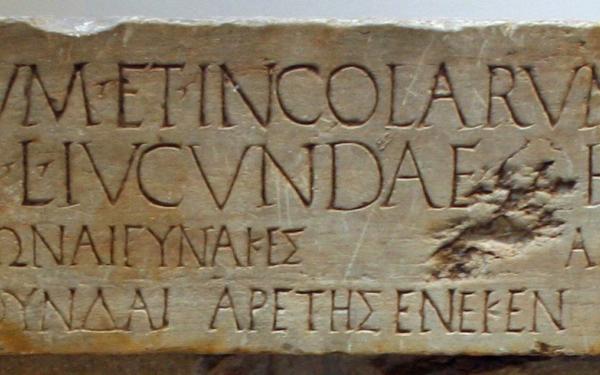
http://ricis.huma-num.fr/exist/apps/RICIS/index.html
Ricis is an application that collects inscriptions concerning Isiac cults, namely the cults of Egyptian deities that...
-
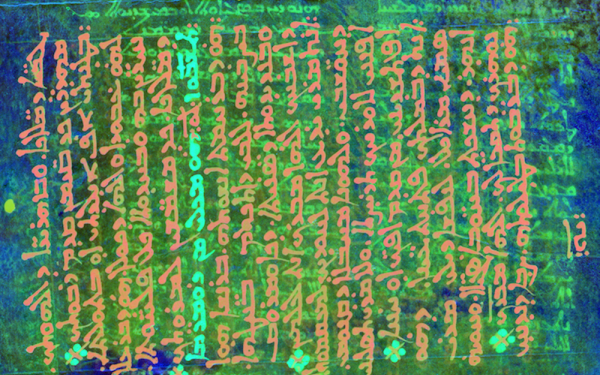
The project is focusing on the Syriac Galen Palimpsest (SGP), an extremely valuable multi-layered medieval manuscript containing a Syriac translation of Galen's main pharmacological treatise, 'On Simple Drugs', as the erased undertext. The...
-

"Museología e integración social: la difusión del Patrimonio Artístico y Cultural del Museo del Prado a colectivos de especial accesibilidad" is structured around three focal points of attention: the first will detect the specific needs and...
-
The Digital Humanities Advanced Research Centre (/DH.arc) is part of the Department of Classical Philology and Italian Studies (FICLIT) of the University of Bologna, that connects students, researchers, IT staff, and professors from FICLIT and...
-
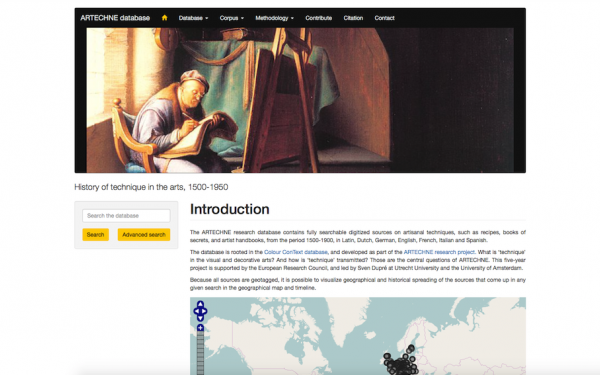
The ARTECHNE research database contains fully searchable digitized sources on artisanal techniques, such as recipes, books of secrets, and artist handbooks, from the period 1500-1900, in Latin, Dutch, German, English, French, Italian and Spanish...
-
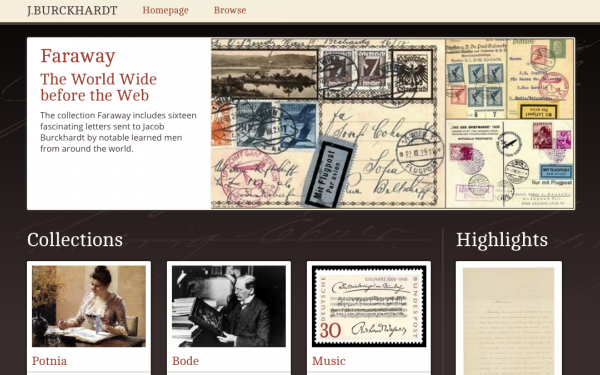
Burckhardtsource.org is a semantic digital library created within the ERC project “The European correspondence to Jacob Burckhardt” coordinated by Prof. Maurizio Ghelardi (Scuola Normale Superiore, Pisa). The time span 1842–1897 witnesses a...
-
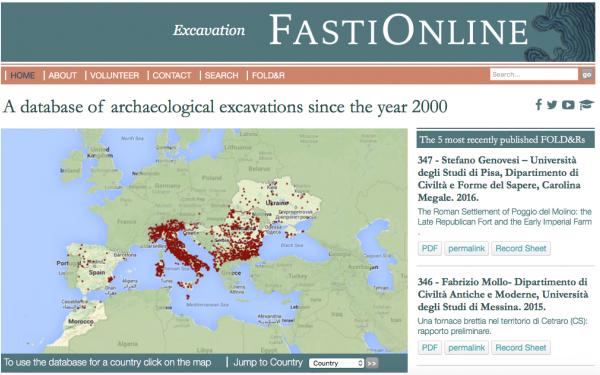
Fasti Online is a database of archaeological excavations since the year 2000, created by the International Association for Classical Archaeology (www.aiac.org). It contains over 3700 sites from 14 countries, many...
-
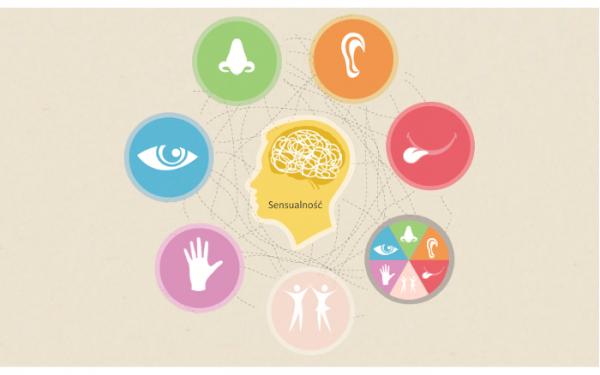
The Senses in Polish Culture. Representations of the Human Senses in Language, Literature, and Art from the Middle Ages to the Present.
The project is devoted to the issues of sensuality interpreted as a historically variable set of forms...
-
This project is centered around the richly annotated linguistic database of the Hebrew Bible created by the Eep Talstra Centre for Bible and Computer. In the SHEBANQ project a webinterface was developed that enables running and saving queries and...
-
Spearheading CyI’s contribution to the rich cultural heritage of Cyprus the creation of the digital library Dioptra provides the necessary advanced technological framework to support the management and international dissemination of an array of...
-
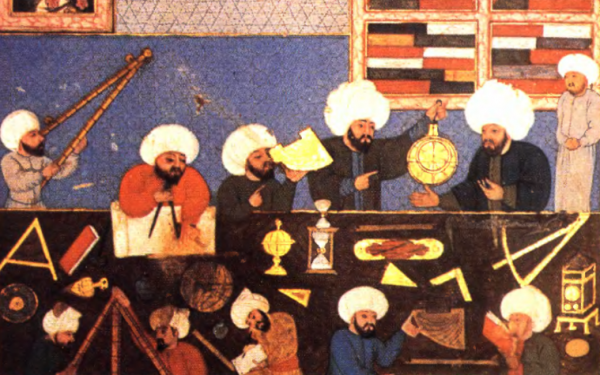
The database Glossarium Graeco-Arabicum makes available the files of a lexical project, intended to open up the lexicon of the medieval Arabic translations from the Greek. It contains about 100,000 Greek-Arabic word pairs, gramatically...
-
Polish Literature Newsletter is a project directed towards the community of Polish language teachers – institutions, researchers, educators, academics and students concerned with literature, linguistics and Polish culture. It aims to create a...
-
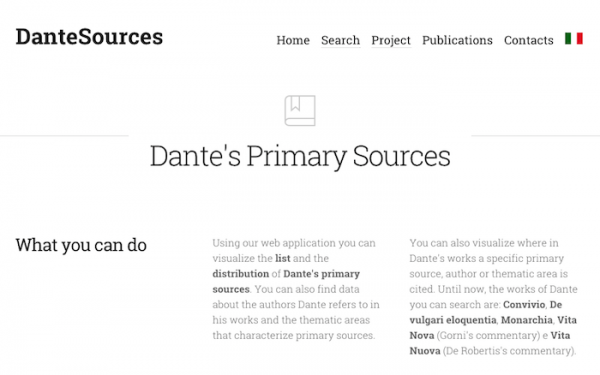
DanteSources is a Digital Library, based on an RDF ontology, which allows retrieving information about Dante Alighieri's primary sources, i.e., the works of other authors that Dante cites in his texts. DanteSources allows to visualize the list...
-
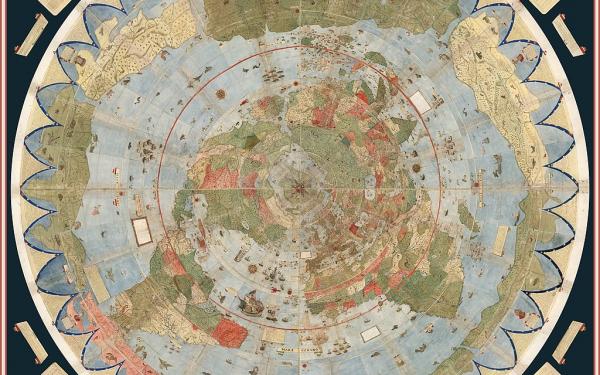
The Atlas of Digitised Newspapers and Metadata is an open access guide to digitised newspapers around the world. Its initial selection is limited in scope, being comprised of the ten databases (including the aggregator Europeana) for which we...
-
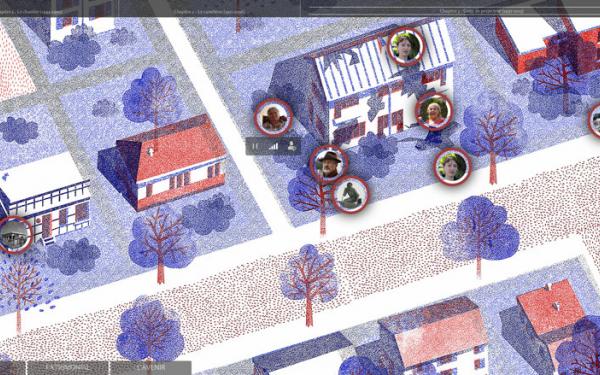
La cité d’expérience of Noisy-le-Sec, experimental site of prefabricated houses created at the end of World War II, is today the subject of a controversial heritage. The district was registered at the “additional inventory of historical monuments...
-
In recent decades European libraries have taken a giant step towards the mass digitization of their historical collections and the opening of their contents for the use of the global digital society. However, researchers and teachers experience...
-
The Catalogue of Digital Editions has been gathering digital editions in an attempt to survey and identify best practice in the field of digital scholarly editing. Other cataloguing initiatives do not provide the granular analysis of features...
-
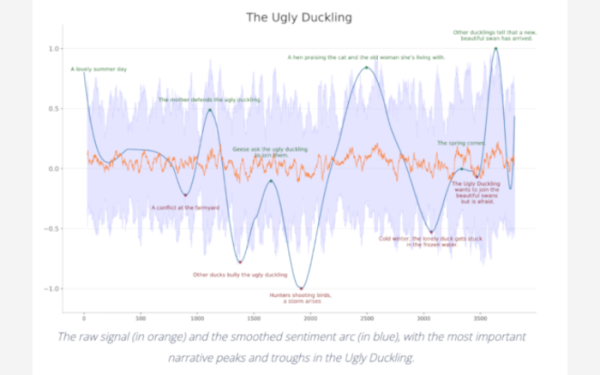
https://centre-for-humanities-computing.github.io/fabula-net/
We aim to develop computational tools for quality assessment and automated narrative analysis of...
-
Attic Inscriptions Online (AIO) is a resource structured around annotated English translations of the inscriptions of ancient Athens and Attica. In addition to translations, AIO includes links to images and Greek texts of the inscriptions, and...
-

Fuel is an online writing and social interaction network that rethinks the way children and young people receive literary classes by injecting a deeply humanistic component into online education, allowing users to engage in fiction and safely...
-
Our humble project is all about presenting a Portuguese-speaking audience with unusual myths and legends from around the world, along with long-forgotten, and yet culturally-significant, books. Occasionally, we also release free translations of...
-
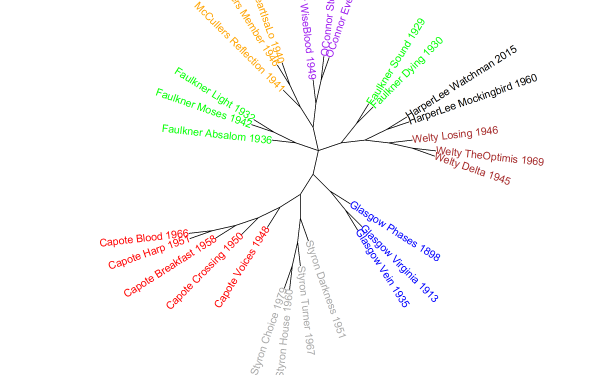
The ‘stylo’ package provides easy-to-use implementations of various established analyses in the field of computational stylistics, including non-traditional authorship attribution, genre recognition, style development (“sty-lochronometry”), etc....
-
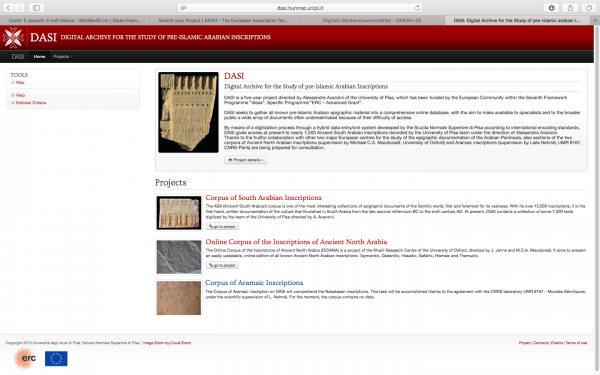
DASI – Digital Archive for the study of pre-Islamic Arabian inscriptions is an ERC project (2011-2016), led by Prof. Avanzini of the University of Pisa, that aims at getting the whole corpus of pre-Islamic Arabian inscriptions inventoried and...
-
Computer-based methods have now become indispensable in humanities research. Primary and secondary sources can be accessed as originals or as substitutes in digital form. Accordingly, digital techniques suggest themselves for analytical processes...
-
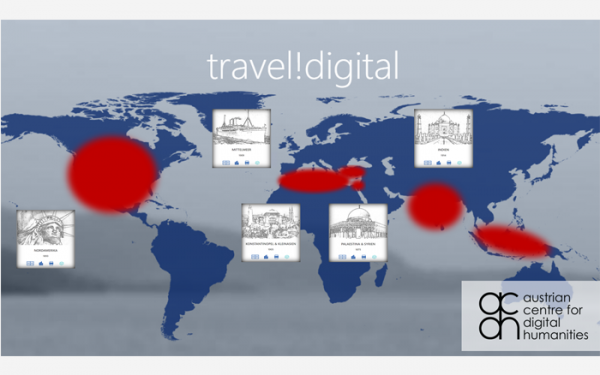
Besides introducing a unique collection of German Baedeker travel guides, dating from the period between 1875 and 1914, key topics of the travel!digital project include linguistic and in particular semantic markup, domain-specific knowledge...
-
The Repertorium Academicum Germanicum (RAG) is a research project that collects, visualizes and evaluates biographical, social and cultural data of 60'000 university scholars of the Holy Roman Empire 1250-1550.
The aim of the RAG is to... -
The project COURAGE will create the first digital database of both online and offline private and public collections in Europe which testify to the survival of various forms of cultural opposition in the former socialist countries; these...
-
The project MEPAD (Mapping European Performing Arts Data) aims to set up an inventory of existing databases and research projects on film, theatre and music (1600-present), while also identifying key research and valorization partners. By doing...
-
WissKI is a Virtual Research Environment meeting the needs of museum documentation, object-based research, and interoperability. It is deployed as a modular extension of the Drupal CMS. Its intention is to support innovative forms of research...
-
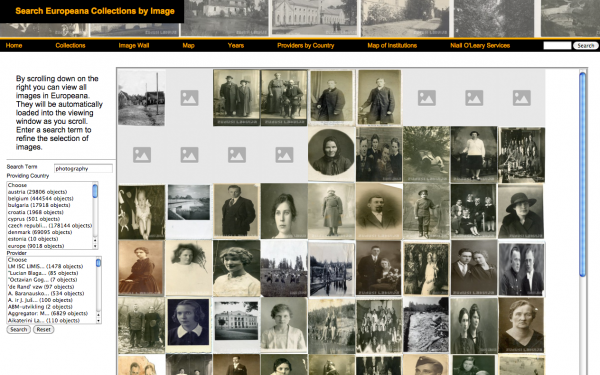
OMNIA allows a user to explore repositories such as Europeana or the Digital Public Library of America through one user-friendly interface. It provides tools for searching/browsing by collection, by map, by years or via a standard search. It...
-
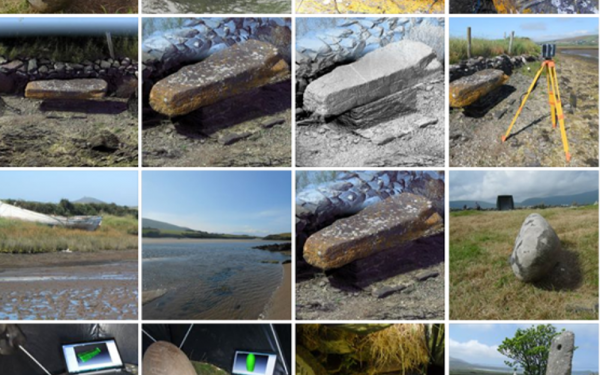
A project to digitise ogham stones and their inscriptions (the earliest writing in Ireland and the earliest written Irish), making them freely available on a searchable, multidisciplinary website, including 3d models of the stones. The website is...
-
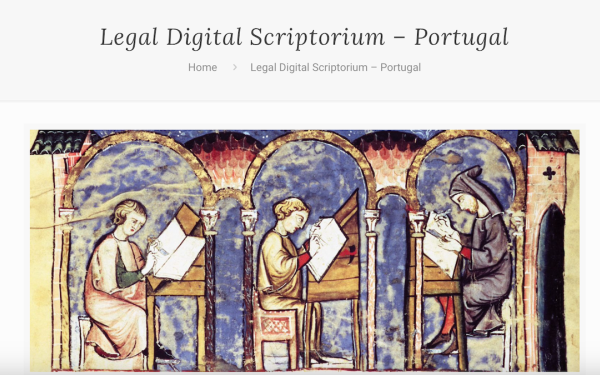
https://iusilluminata.fcsh.unl.pt/legal-digital-scriptorium-portugal/
This online image database of digitized illuminated legal manuscripts preserved in...
-
READ-IT is a transnational, interdisciplinary R&D project that is building a unique large-scale, user-friendly, open access, semantically enriched investigation tool...
-
GAMS (Geisteswissenschaftliches Asset Management System, Humanistic Asset Management System) is an OAIS-compliant asset management system for the storage and administration of digital resources produced in a scientific context. It supports the...
-
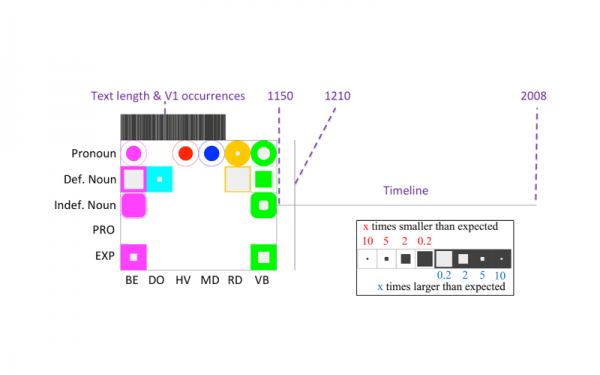
The project "Visual Analysis of Language Change and Use Patterns" is an interdisplinary project at the University of Konstanz between the Lingustics (Prof. Miriam Butt) and the Computer Science Department (Prof. Daniel Keim). The aim of the...
-
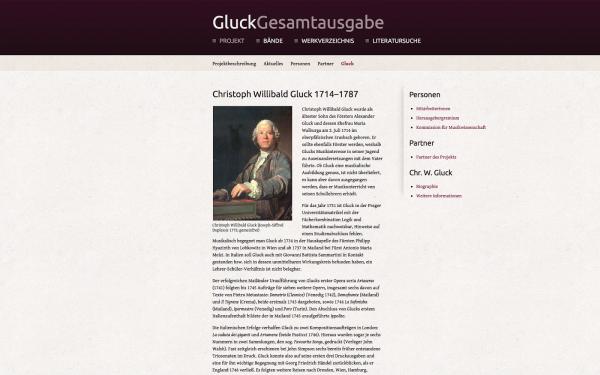
Gluck Gesamtausgabe (GGA) aims at a historical-critical edition of composer Christoph Willibald Gluck’s complete works for science and musical practice. Apart from the musical text and its text-critical annotation, the edition includes...
-
Interdisciplinary Multilingual Dictionary is focused on the terminology of heritage protection, art restoration and related disciplines. The database contains more than 10,000 entries in English, Polish and German and an additional 4,000...
-
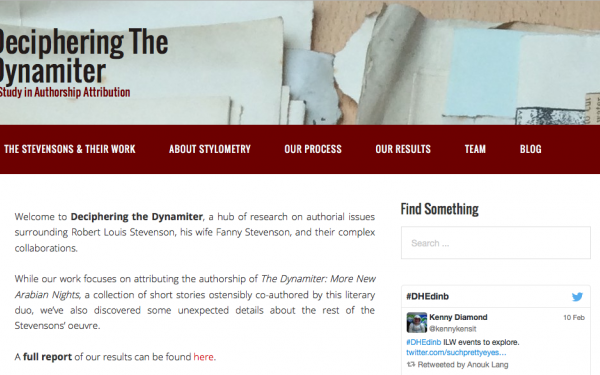
Deciphering the Dynamiter is a hub of research on authorial issues surrounding Robert Louis Stevenson, his wife Fanny Stevenson, and their complex collaborations. The project focuses on attributing the authorship of The Dynamiter: More New...
-
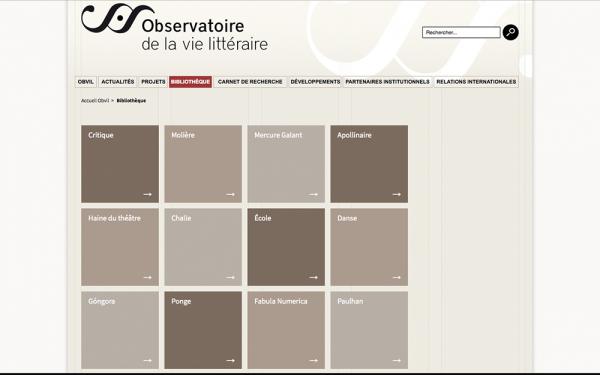
The Observatory of literary life is a Sorbonne Universities LabEx (laboratory of excellence) whose purpose is to create synergies between digital technologies and literature. This approach, which falls within the scope of digital humanities, can...
-
The “Center for Reflected Text Analytics” (CRETA) focuses on the development of technical tools and a general workflow methodology for text analysis within Digital Humanities. Of particular importance is the transparency of tools and traceability...
-
This project sets out to construct a digital literary-historical map of 20th Century Catalan writer Manuel de Pedrolo’s production that feeds from his complete digital corpus. This corpus is compiled and XML-tagged through a groupsourcing...
-
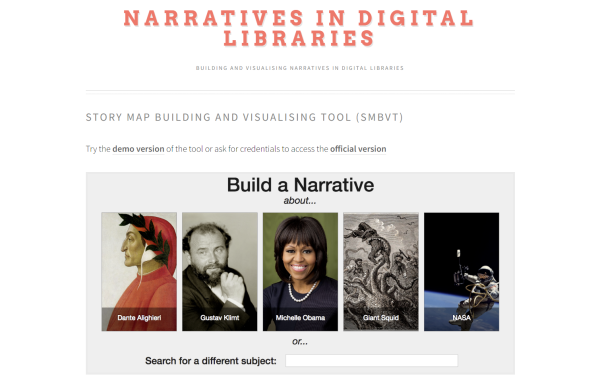
https://dlnarratives.eu/tool.html
Story Map Building and Visualising Tool (SMBVT) is a semi-automatic tool to construct and visualise narratives, intended as semantic networks of events...
-
Prononced at the french royal academy of architecture between 1721 and 1728, the lessons of Antoine Desgodets constitute an important milestone in the constitution and the normalization of the architectural knowledge in the classical age. We are...
-
Tropos is a Digital Creative Writing Library that focuses on new digital tools and creative writing to teach literature. We try to take into consideration the “pedagogy of routine” (Roman Gubern) and student’s creativity in order to support...
-
eTRAP (electronic Text Reuse Acquisition Project) is an Early Career Research Group funded by the German Federal Ministry of Education and Research. This interdisciplinary team studies the linguistic and literary phenomenon that is text reuse...
-
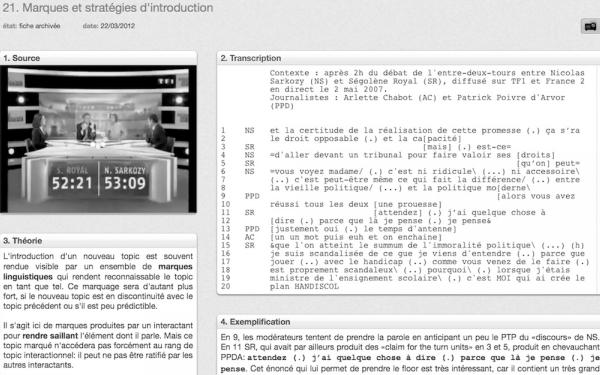
IMPACT: A Tool for Transcribing and Commenting on Oral Data, for Teaching, Learning, and Research.
The development of IMPACT began in 2011 with the goal of helping students, teachers, and researchers to share, transcribe, and comment on...
-
eHERITAGE (‘Expanding the Research and Innovation Capacity in Cultural Heritage Virtual Reality Applications’) is a Coordination and Support project which addresses the “twinning” challenges described in the topic H2020-TWINN-2015 of the Work...
-
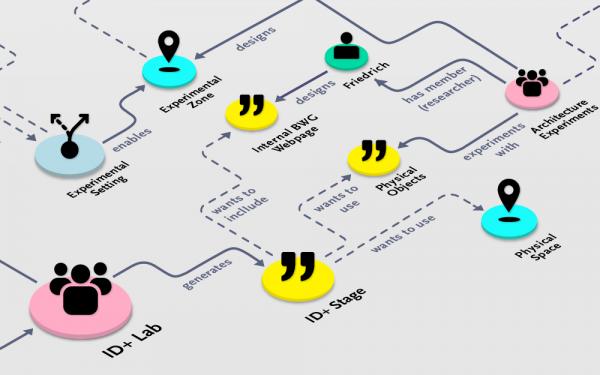
Interdisciplinary collaboration is the key for solving complex tasks. However, communication and working processes within such collaborations are also highly complex and dynamic. The ID+Lab seeks to explore the forms of interdisciplinarity in...
-
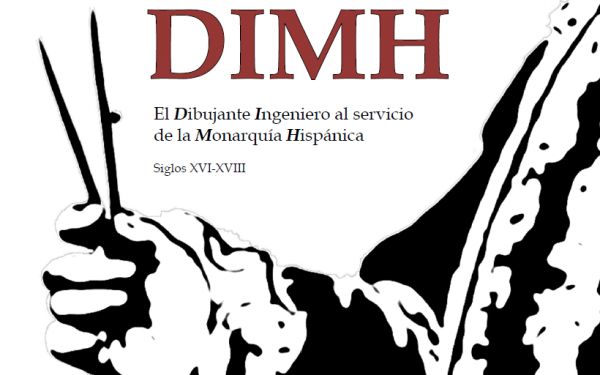
The am of this project is to study both graphic representation and scale models of territories, cities and fortifications, and machines. It also analyses other buildings made by military engineers in the service of the Spanish Monarchy, whose...
-
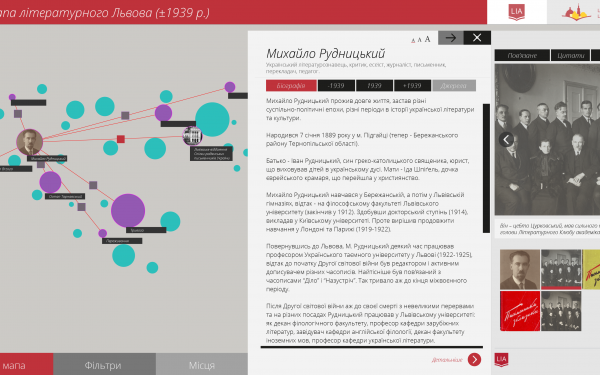
Lviv Interactive (LIA) is a web-accessible, interactive historical map of the city of Lviv. The map seeks to present the contemporary, living city in its historical dimension rather than reproducing a static picture of the past. This concept sets...
-
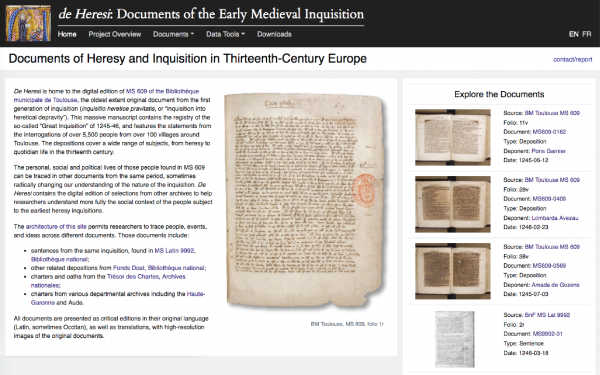
de Heresi is home to the digital edition of BM Toulouse MS 609, the oldest extant original document from the first generation of public inquisition (inquisitio heretice pravitatis). This massive manuscript contains the depositions of over 5,500...
-
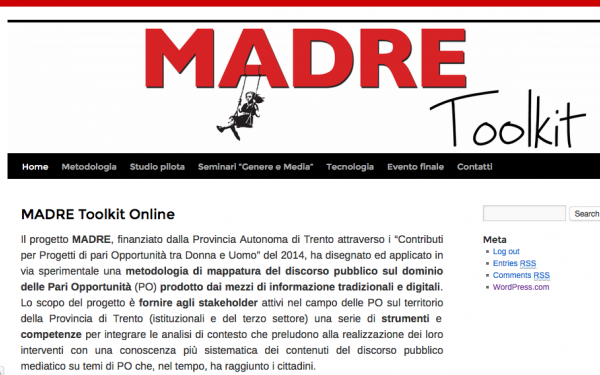
The MADRE project has employed advanced text analytics tools and methods to better understand discourse on gender along three main dimensions: visibility, resonance and legitimacy. Another goal of the project is to promote awareness on the...
-
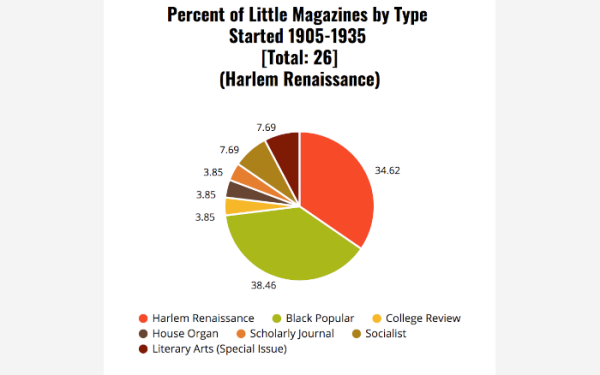
https://www.blackmodernism.com/index.html
The purpose of this digital poster is to analyze the way literary movements and black little magazines influenced canon development in Black...
-
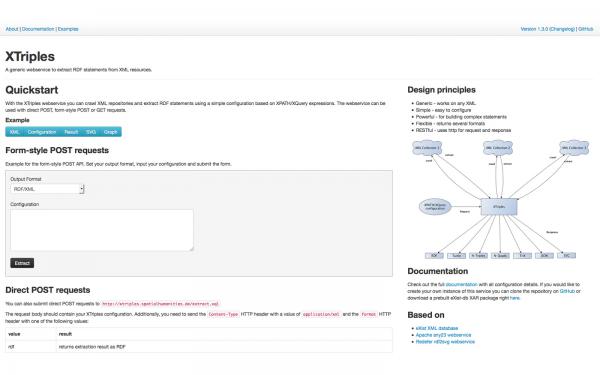
With the XTriples webservice you can crawl XML repositories and extract RDF statements using a simple configuration based on XPATH/XQuery expressions. The webservice can be used with direct POST, form-style POST or GET requests.
The...
-
The use of annotation in social research and the humanities for analyses on health
Bringing together researchers from the humanities, the social sciences, and computational linguistics, the collaborative research project hermA deals with...
-

Emotive is an EU-funded heritage project that aims to use emotional storytelling to dramatically change how we experience heritage sites.
For heritage professionals, the Emotive application will provide a powerful storytelling engine and a...
-
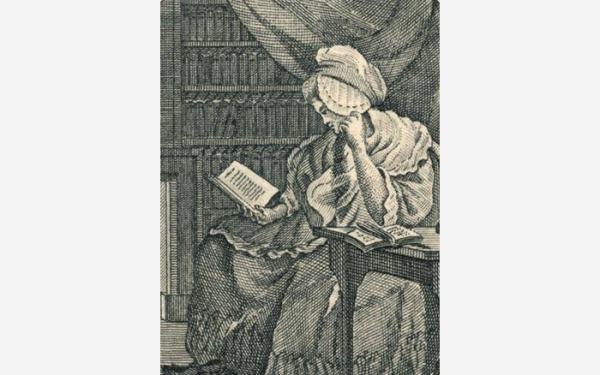
MEDIATE seeks to study the circulation of books and ideas in eighteenth-century Europe by drawing on a unique corpus of 2000 - 3000 eighteenth-century private library catalogues. Developing an interoperative, Open Access database, and in close...
-
From Data to Wisdom focuses on data treatment and visualisation according to a comparative and critical perspective. FDTW will be developed in four steps: a) Medieval and Early Modern data visualisations will be collected in a richly and...
-
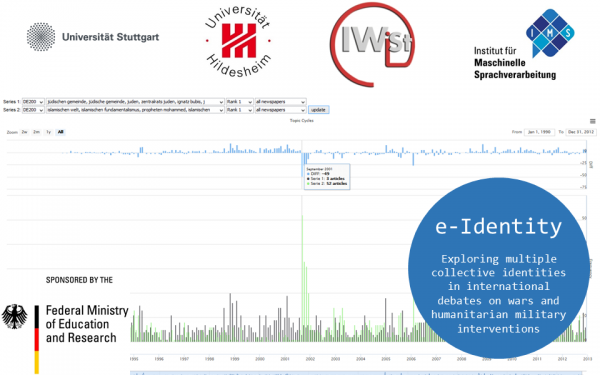
In this three-year interdisciplinary Project social scientists and computer-linguists from three German research institutions worked together to analyse the discursive emergence of multiple collective identities in a corpus of 460.917 press...
-
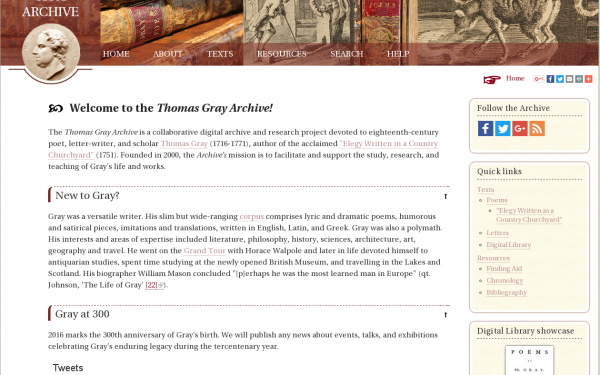
Thomas Gray is most famous for his poem “Elegy written in a country churchyard”. Born in 1716, he was one of the key poetic figures in the early romanticism of the mid-eighteenth century. The Thomas Gray Archive aims to make all his writing...
-
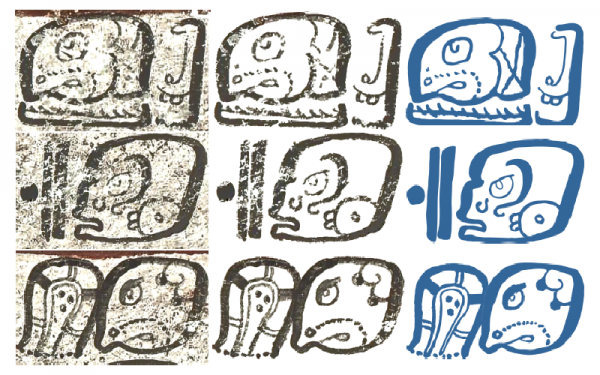
Archaeologists and epigraphists have made formidable progress over 100 years to decipher the writings of the ancient Maya culture, yet a proportion of the hieroglyphic corpus remains open for interpretation. This effort can be accelerated through...
-
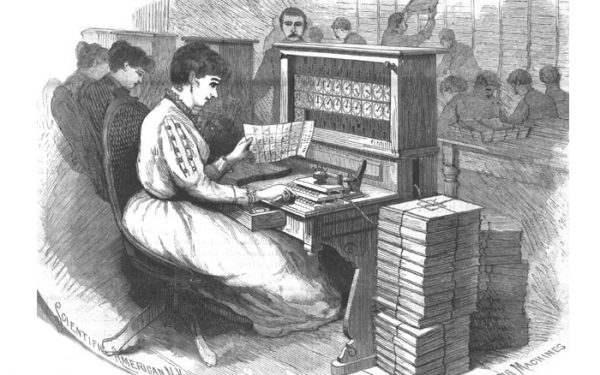
The Programming Historian offers novice-friendly, peer-reviewed tutorials that help humanists learn a wide range of digital tools, techniques, and workflows to facilitate their research. We regularly publish new lessons, and we always welcome...
-
The Lazarus Project is a multi-institutional international collaboration between imaging scientists, humanities faculty, graduate students, and independent consultants. We work to recover damaged manuscripts and other heritage objects through the...
-
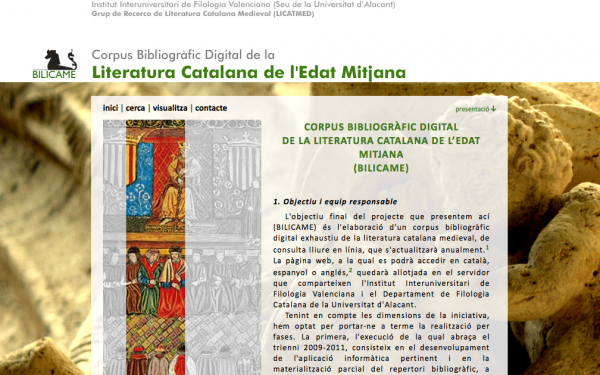
A bibliographic database of four areas referred to medieval Catalan literature, collecting bibliographic references (primary and secondary sources) since the eighteenth century to the year 2011. These four areas are: Ausiàs March; Tirant lo Blanc...
-
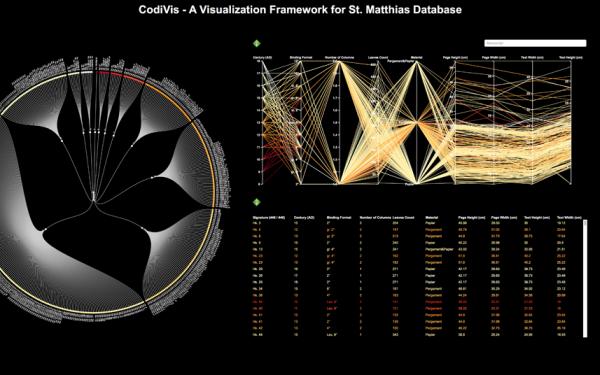
The aim of the joint project “eCodicology”, promoted by the BMBF, is the development, the testing, and the optimisation of new algorithms to automatically detect the macro- and microstructural elements of manuscript pages and embed them into the...
-
-
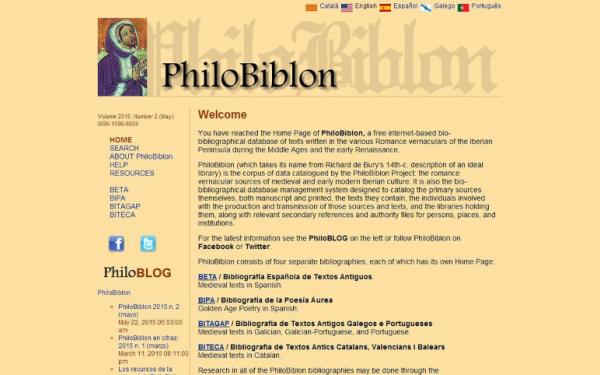
PhiloBiblon is a bio-bibliographical database of the primary sources for the study of the medieval Iberian literatures. It picks up the baton from one of the oldest DH projects, the Bibliography of Old Spanish Texts (BOOST). PhiloBiblon consists...
-
Filologia risorse informatiche / Philologie et ressources informatiques (abrégé FRI, url: https://fri.hypotheses.org, ISSN 2496-6223) est une revue scientifique et un carnet en ligne, fondée en 2014 par...
-
Undertaking research on the digitised content of Europe’s galleries, museums, libraries and archives has huge potential, especially for the digital humanities and social sciences. But issues of licencing, interoperability and access can often...
-
The project goals include (1) digitization of Croatian Glagolitic manuscripts’ collections, (2) making of inventory lists and registration of Glagolitc manuscripts (3) machine-readable cataloguing of Glagolitic manuscripts (4) research of Zadar...
-
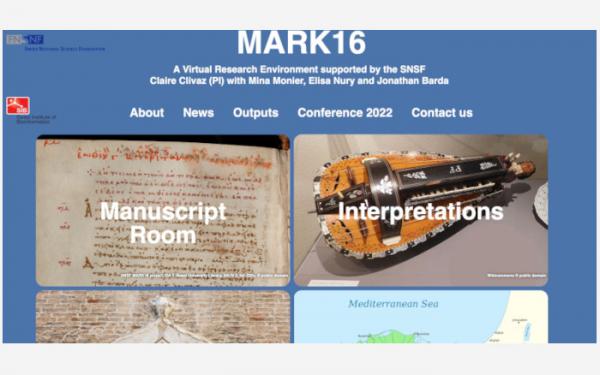
MARK16 is a SNSF PRIMA project on five years (2018-2023) that develops a new research model in digitized biblical sciences, based on a test case found in the New Testament:...
-
http://www.inf.uniroma3.it/db/icr/
In Codice Ratio is a research project that aims at developing novel methods and tools to support content analysis and knowledge discovery from large...
-
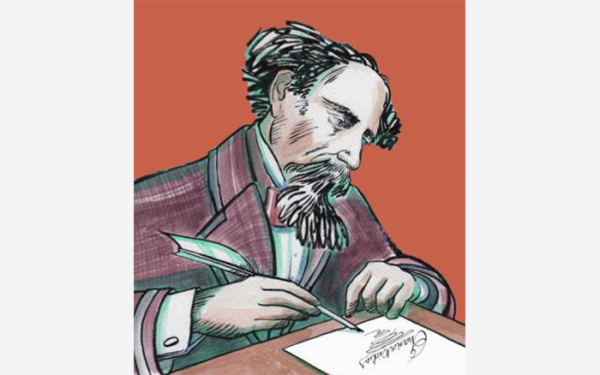
This project makes available all the correspondence of Charles Dickens which has come to light since 2002, the year in which the final volume of the Pilgrim Edition of The Letters of Charles Dickens (OUP) was published, with scholarly annotations...
-
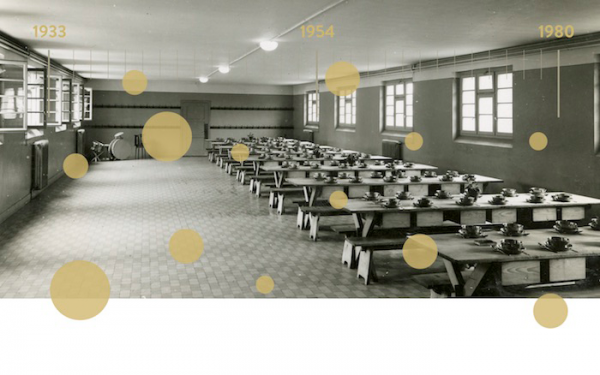
One of the aims of the Independent Expert Commission (IEC) is to produce quantitative studies of the institutional landscape that will provide a more precise picture of the facilities that were used and the authorities that issued administrative...
-
A Digital Critical Edition of the Talmud Yerushalmi (Palestinian Talmud), with amended base text, direct and indirect textual witnesses, parallels and citations.
-
DHow (Digital Humanities How) is a database and interactive problem solving platform, on which will be reported or ex novo loaded tutorials related to the most used software in the field of humanistic research. Everything will be accompanied by...
-
The Manart database gathers data about manifestos produced from the end of the 19th century onwards, in all geographical and artistic areas. Resolutely interdisciplinary, Manart has two long-term objectives: first to make available online...
-
DiXiT (Digital Scholarly Editions Initial Training Network) is an international network of high-profile public and private institutions that are actively involved in the creation and publication of digital editions. DiXiT offers a coordinated...
-
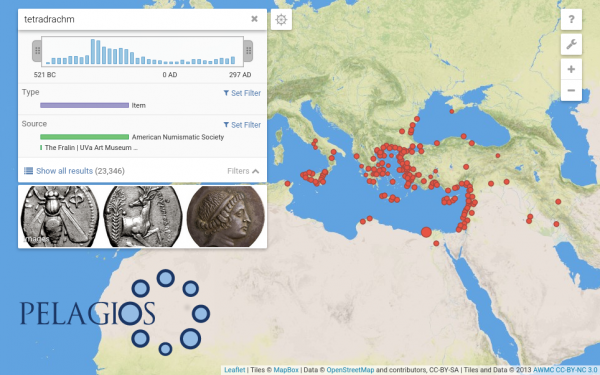
PELAGIOS stands for 'Pelagios: Enable Linked Ancient Geodata In Open Systems' - its aim is to help introduce Linked Open Data goodness into online resources that refer to places in the historic past. Why do we want to do that? Well, we think it...
-

In the CALLIDUS project three different departments are working together: Computer and Media Service, Didactics of Latin and Corpus Linguistics. Our common aim is to prove the usefulness of corpus-based methods for teaching Latin and to develop a...
-
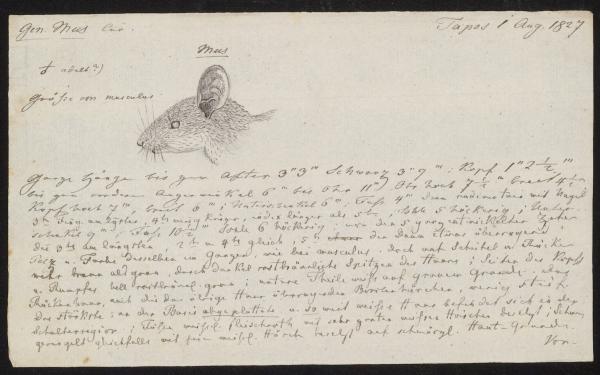
Many handwritten and illustrated archives contain a wealth of information, but are largely underexplored because they are complex and difficult for computers to decipher. The aim of this project is to develop a digital environment that resolves...
-
The Ereticopedia project involves the construction of an online dictionary of heretics, dissidents, and inquisitors in the Mediterranean world, together with a free discussion space and an online journal. The main language of this website is...
-
ALCIDE is a web-based platform designed to assist humanities scholars in analysing large amounts of data such as historical sources and literary works. The system combines advanced text processing techniques, intuitive visualisations and close/...
-
Garrettonline project seeks the critical and genetical digital edition of the 'Romanceiro' (a folk balladry collection) by the Portuguese writer Almeida Garrett (1799-1854). We refer to a very peculiar work he called "popular poetry", inspired by...
-
Literary Atlas: Plotting English Language Novels in Wales, based at Cardiff University, and funded by the AHRC, is an innovative exercise in digital mapping. Its main feature is an interactive online atlas of digital deep maps of twelve English-...
-
Taking up an idea by Menéndez Pelayo, who coined the Spanish term for a signal polymath author in the sense of an author whose writings cover a broad subject and whose oeuvre marked an inflection point, the Foundation intends to make the thought...
-
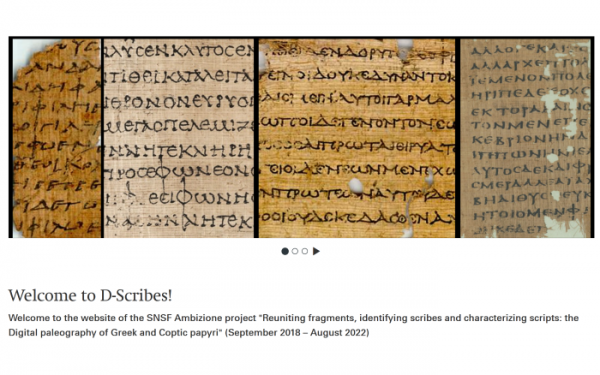
D-scribes project aims to develop computerized approaches adapted to Greek and Coptic papyri. Its goal is to be able to find joins between fragments, identify writers or handwriting styles and classify handwriting scripts according to...
-
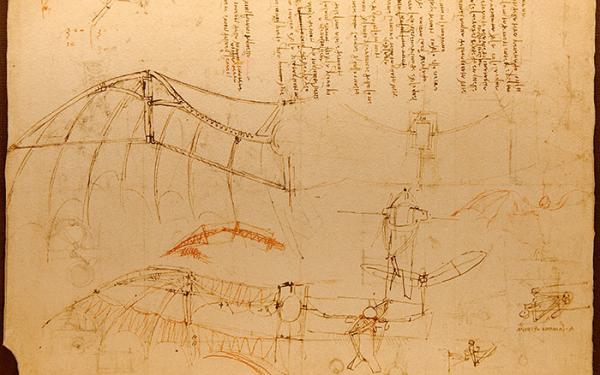
The European Summer University in Digital Humanities was created in 2009 and has been running ever since. It seeks to offer a space for the discussion and acquisition of new knowledge, skills and competences in those computer technologies which...
-

www.railwayaccidents.port.ac.uk
Exploring accidents to British and Irish railway workers before 1939, working with teams of volunteers to make accident records more easily available...
-
ReNom: Navigating the Works of Rabelais and Ronsard in Search of People and Places
ReNom is an initiative developed by the BVH team (Bibliothèques Virtuelles Humanistes) of the CESR (Centre d’Etudes Supérieures de la Renaissance) in...
-
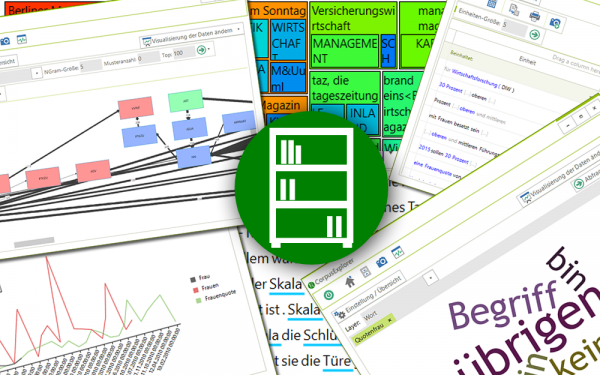
Software for corpus linguists and text/data mining enthusiasts. The CorpusExplorer combines over 45 interactive visualizations under a user-friendly interface. Routine tasks such as text acquisition, cleaning or tagging are completely automated....
-

Big data in digital cultural heritage present an unprecedented opportunity for historical research. However, information without context is of little use for historians. For this reason, the Time Capsule project set out to address the challenges...
-
The COST Action "Distant Reading for European Literary History" is a European networking project bringing together scholars interested interested in corpus building, quantitative text analysis and European literary history. It aims to create a...
-
Epigraphia 3D is an innovative project that aims to bridge the gap between research in the Humanities and technology research in engineering graphics. It offers a selection of Roman inscriptions digitized in 3D from the National Archaeological...
-
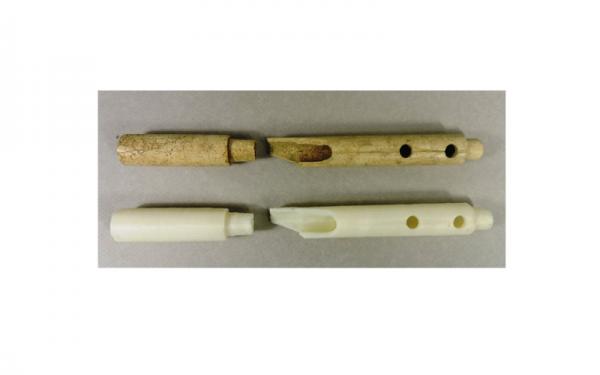
In the summer of 2012, the IFA–NYU Selinunte Mission began to explore the interior of the cella of Temple R. This excavation showed that the Classical and Archaic layers had been sealed by a deep fill of the Hellenistic period and left untouched...
-
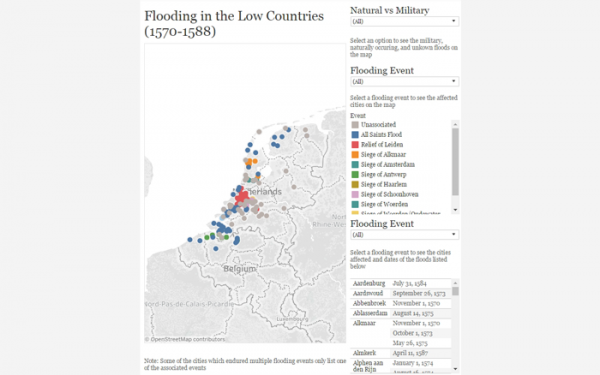
This exhibit provides a brief account of the natural and military inundations during the Dutch Wars of Independence. Along with providing a general overview of the nature of the inundations, it examines the strategic floods during the encounters...
-

The online archive "Forced Labor 1939-1945" commemorates the more than twenty million people who were forced to work for Nazi Germany. The archive contains 590 life story interviews with former prisoners of concentration camps, prisoners of war...
-
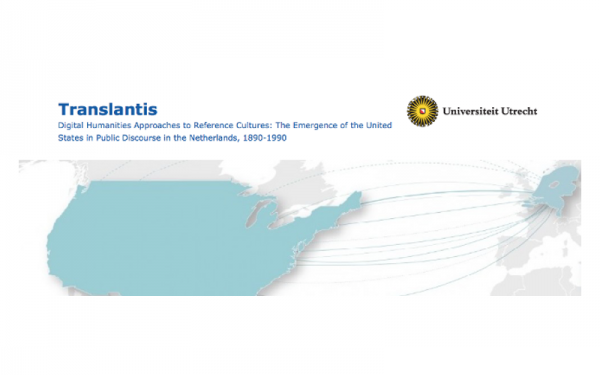
The full name of the program is “Digital Humanities Approaches to Reference Cultures: The Emergence of the United States in Public Discourse in the Netherlands, 1890-1990.” The program uses digital humanities tools to analyze how the United...
-
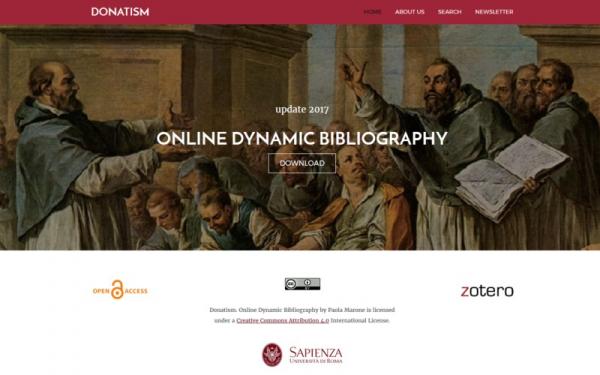
“Donatism. Online Dynamic Bibliography” is a collaborative group library of the Donatism, containing more than 3000 items relevant to specific aspects of the African schism occurred at Carthage between 312 and 411. It treats primary sources and...
-
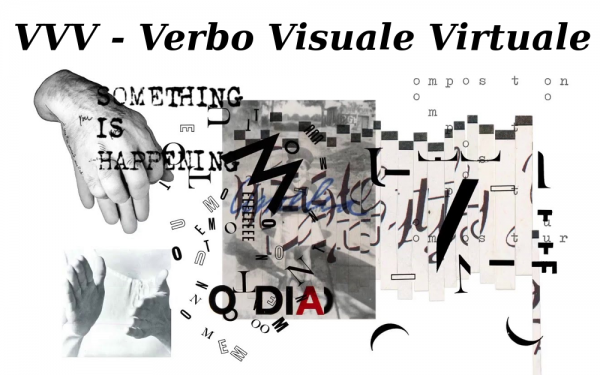
In the VVV project, the “Archivio di Nuova Scrittura” (ANS), an archive of about 4000 verbo-visual artworks, was first digitized and enriched with documentary and bibliographic information, and then an online platform was implemented to search...
-
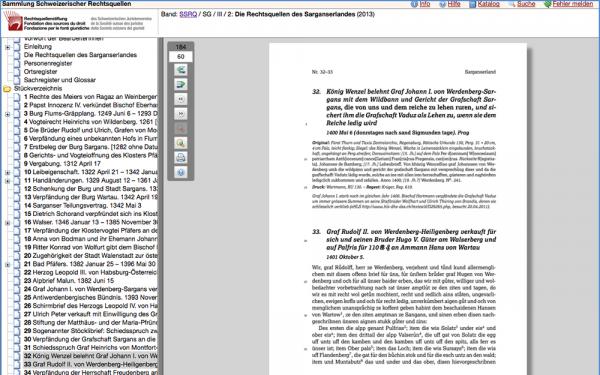
The Swiss Lawyers Society has been publishing historical Swiss legal texts for over a century. The retrodigitization project made available over 100 published volumes, containing source material and comments from the early middle ages until 1798...
-

“Archive Alert” is an online platform that allows individuals, entities, groups, and organizations to report on archives and/or other cultural material which promotes cultural heritage (audiovisual material, maps, photographs, printed material,...
-
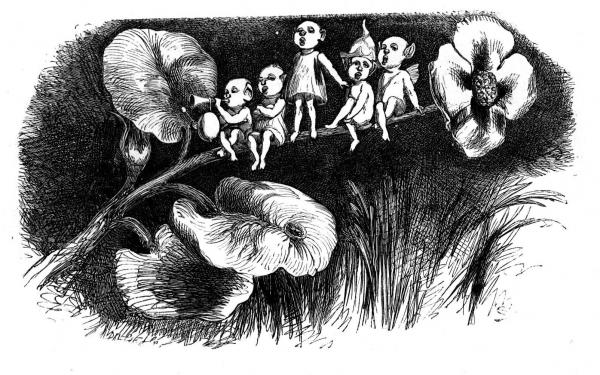
The Victorian Illustrated Shakespeare Archive (VISA) is an online open access resource that contains over three thousand illustrations taken from the four major editions of Shakespeare’s Works in the Victorian period. It is a user-friendly...
-
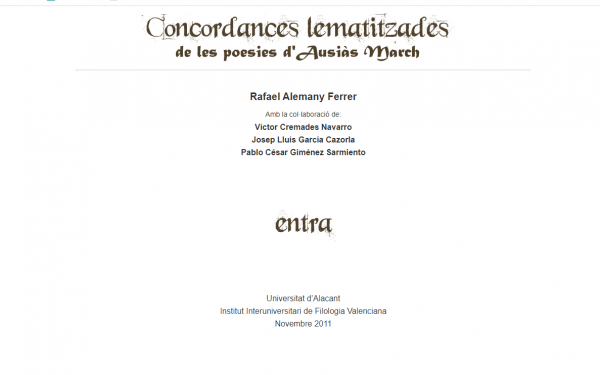
Lemmatized concordances of Ausiàs March’s poems. An open-acess, new approach to the lexicon of Ausiàs March’s poems through its lemmatized concordances, undertaken by Universitat d’Alacant’s Medieval Catalan Literature Research Group (LICATMED-UA...
-
FactGrid is a Wikibase installation offering its services free of charge to international projects in all the fields of historical research. The software...
-

Transcribe Bentham is an award-winning participatory initiative which launched in 2010 and which is based in the Bentham Project at University College London. Its aim is to engage the public in the online transcription of original and unstudied...
-
The Riddle of Literary Quality is a research project of the Huygens Institute for the History of the Netherlands in collaboration with the Fryske Akademy and the Institute for Logic, Language and Computation (University of Amsterdam). The Riddle...
-
Sandrart.net (A net-based research platform on the history of art and culture in the 17th century) was a project funded by the Deutsche Forschungsgemeinschaft. While being located at the Goethe-Universität Frankfurt am Main/Germany and the...
-
The motivating insight of this project, which is generously supported by a grant from the Templeton Foundation via the University of Connecticut, is that, to the extent that we rely on (social) media to enhance our knowledge of important events,...
-
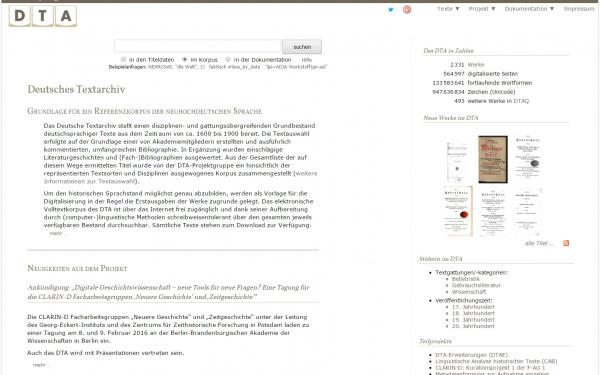
The DFG-funded project Deutsches Textarchiv (DTA) started in 2007 and is located at the Berlin-Brandenburgische Akademie der Wissenschaften (BBAW) in Germany. The DTA digitizes a large cross-section of printed works in modern New High German...
-
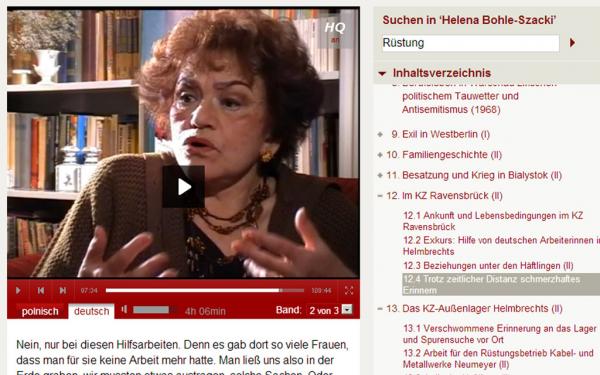
The interview archive “Forced Labor 1939-1945” commemorates more than twenty million people forced to work for Nazi Germany. In this digital oral history platform, nearly 600 former forced laborers from 26 countries tell their life stories in...
-
http://www.conimbricenses.org/
Conimbricenses.org is the first digital project on the Aristotelian tradition of Coimbra. It organizes peer-review encyclopedia entries, bibliographies and...
-
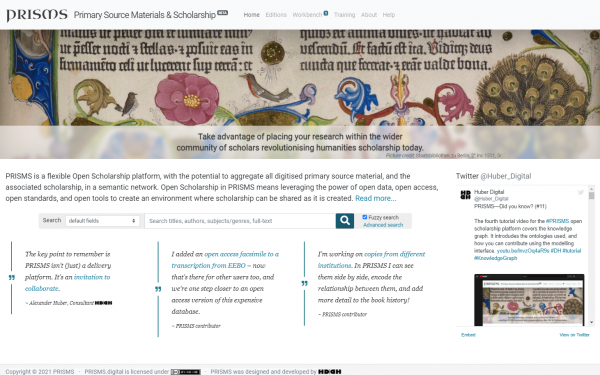
PRISMS is a flexible Open Scholarship platform, with the potential to aggregate all digitised primary source material, and the associated scholarship, in a semantic...
-
The project is aimed at
- Studying organization forms and infrastructures of the research devoted to Digital Humanities in the leading world centers;
- Studying methodological foundation for DH development;
- ...
-

Niklas Luhmann (1927-1998) is one of the most famous and influential German sociologists of the 20th century, alongside Max Weber. His social theory, which has been developed continuously over more than thirty years, is internationally...
-
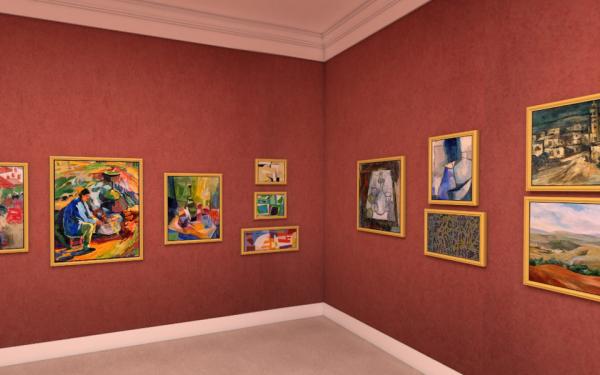
The Digital Humanities Section, together with the Lebanese Ministry of Culture, and the Académie Libanaise des Beaux-Arts, has developed the first virtual reality museum in Lebanon. It includes more than 500 works of art (Paintings and sculpture...
-

The TRACE (TRAnslation and CEnsorship) project deals with the coordinated study of censorship in the translation of different text types (narrative, poetic, theatrical and audiovisual) in Spain during the twentieth and twenty-first centuries. Our...
-
The project is preparing an open-access Database on the life and fragmentary works (tragedies and satyr dramas) of 46 Greek tragedians of the 6th and the 5th centuries...
-
The core idea of our proposal at this first phase (12-15 months, starting in 2016) is to establish the foundations for the creation of a Digital Humanities initiative at the Linnaeus region, by combining some already existing expertise and...
-
"1914-1918-online. International Encyclopedia of the First World War" is an English-language online reference work on World War One. Launched in October 2014, the multi-perspective, public-access encyclopedia is a collaborative project by the...
-
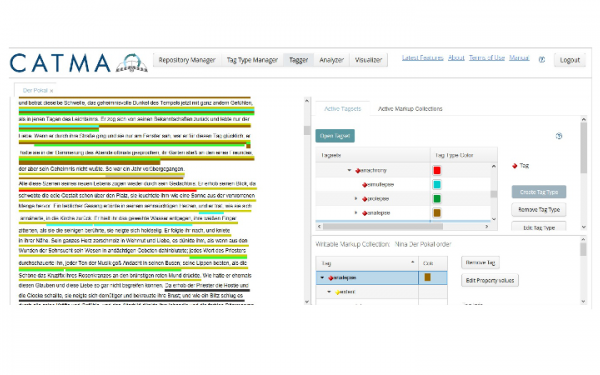
CATMA (Computer Aided Textual Markup and Analysis) is a free, open source markup and analysis tool from the University of Hamburg's Department of Languages, Literature and Media. It incorporates three interactive modules, a tagger enabling...
-
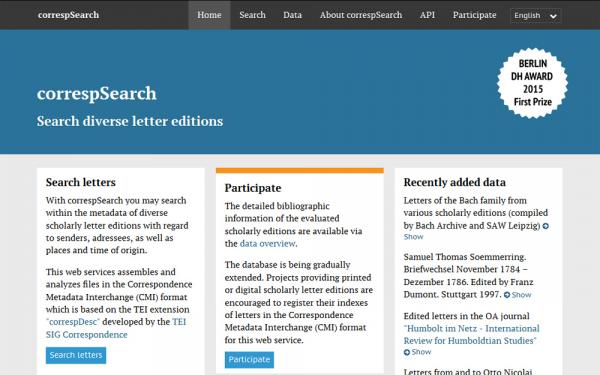
With correspSearch you may search within the metadata of diverse digital or printed scholarly editions of letters. The web service assembles and analyses files in the "Correspondence Metadata Interchange format“ (CMIF) that has been (and will...
-
Rapid changes in our reading and writing habits for the screen are modifying our perception of the literary experience, especially among the youngest readers. As we confront this new scenario, it becomes necessary to join forces in order to...
-
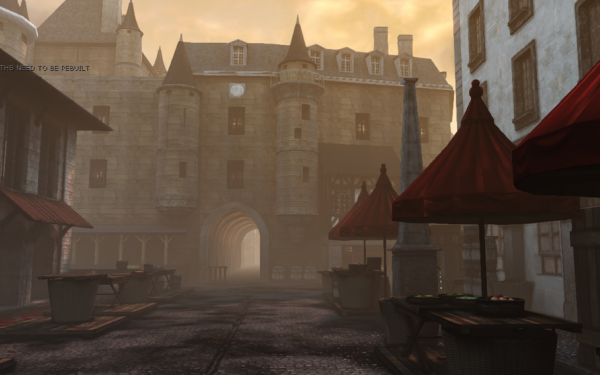
Bretez is a transverse and transdisciplinary project which takes “the sensitive dimension” as a complementary vector to recontextualization. It's designed for a very large audience (including museums and research) - by proposing a model with a...
-
The “Montaigne at work” project (MONLOE: MONtaigne à L’Œuvre, Montaigne at Work) is presented by the Virtual Humanistic Libraries in Tours (BVH: Bibliothèques Virtuelles Humanistes), in cooperation with the IRHT (Institut de Recherche et d’...
-
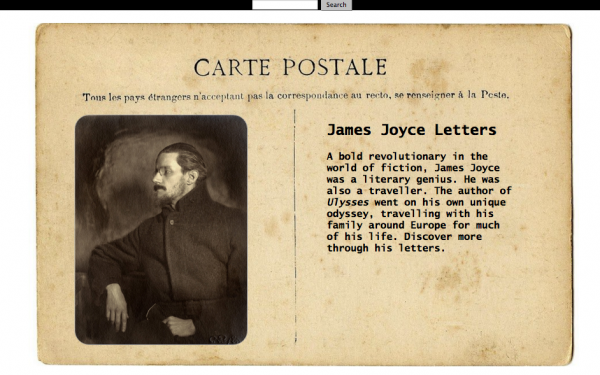
Visual Correspondence uses data visualisation to makes sense of a person's life through their correspondence. Who they wrote to, who wrote to them, when and where - these flashes of detail unveil a rich narrative about people and our past through...
-
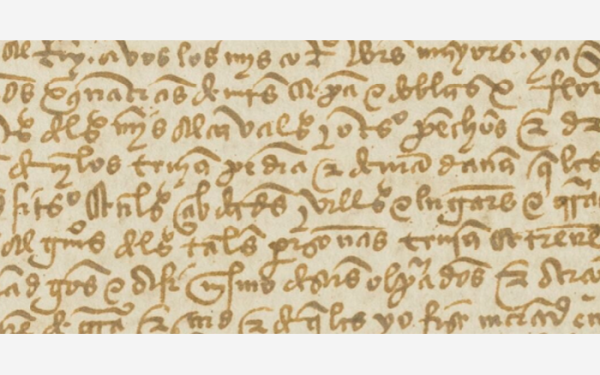
http://www.earlymodernhands.guillaumecoatalen.com/
The purpose of the database is to help identify early modern European hands and study them according to various criteria...
-
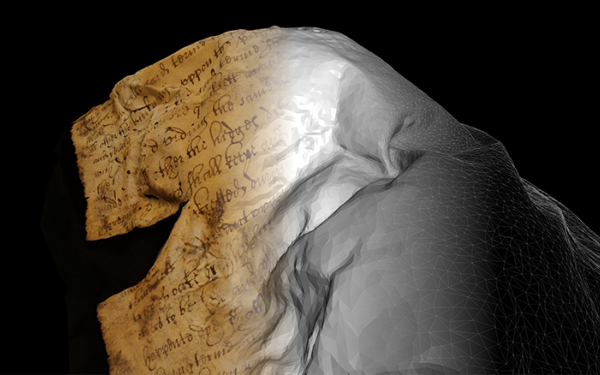
The Great Parchment Book of the Honourable the Irish Society is a major surviving historical record of the estates of the county of Londonderry (in modern day Northern Ireland). It contains key data about landholding and population in the Irish...
-
-

The eLib Project is a free online-text repository for scientists and students. Since 2006 we digitize and provide access to public domain content as well as content still under copyright protection (rights granted for scientific and private use...
-

Virtuonic Project focuses on the potential role of new forms of immersive and interactive visualization technologies in Virtual Humans (VH) and the development of empathy and consequent social action. We will create multiple VH experiences in...
-
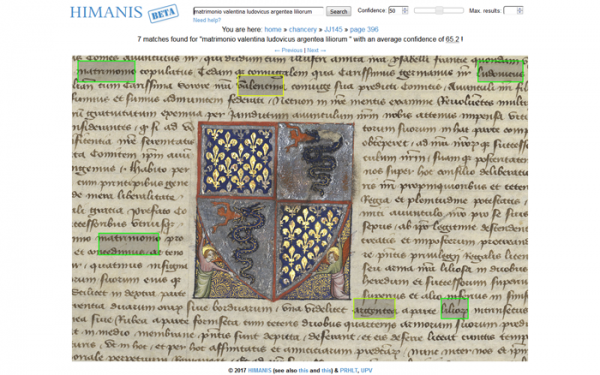
Artificial Intelligence has unlocked the access to the text of medieval manuscripts! The partners of the European research project HIMANIS (Historical MANuscript Indexing for user-controlled Search) implemented, for the first time, the indexing...
-
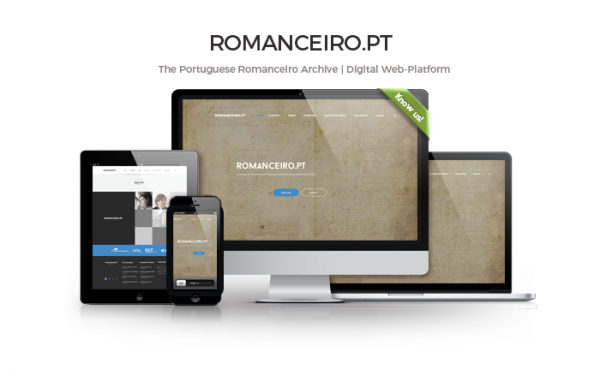
Romanceiro.pt, a project coordinated by Pere Ferré and Sandra Boto, at University of Algarve - Center for Research in Arts and Communication (Portugal), consists on a digital web-platform that opens to the general public the Portuguese Romanceiro...
-
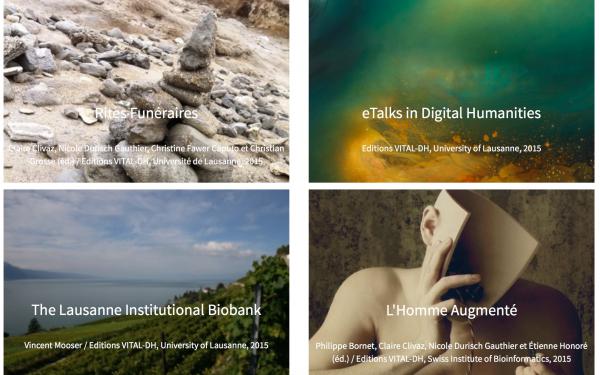
The eTalks are a new digital multimedia editing plaform developed at the Swiss Institute of Bioinformatics (VITAL-IT, Lausanne): their application is implemented via an easy-to-use editor interface, designed for the use of researchers themselves...
-
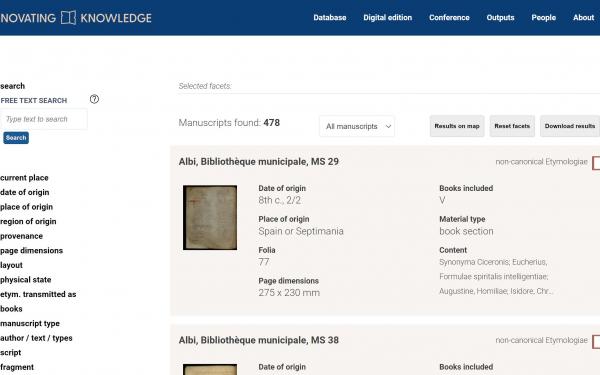
https://innovatingknowledge.nl/
Innovating Knowledge project maps the reception of Isidore of Seville's Etymologiae, the most important medieval encyclopaedia, in the early Middle Ages. The...
-
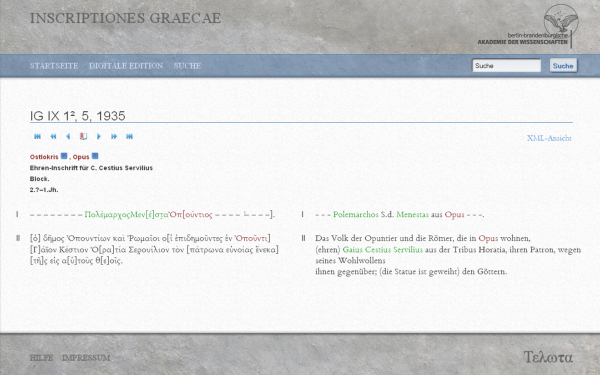
The Inscriptiones Graecae are the oldest project of the Berlin-Brandenburg Academy of Sciences and Humanities, being the successor of the Corpus Inscriptionum Graecarum (CIG), founded in 1815. In the project’s publication series, the Greek...
News and Events
EADH History
The European Association for Digital Humanities (EADH) was founded in 1973 under the name Association for Literary and Linguistic Computing (ALLC) with the original purpose of supporting the application of computing in the study of language and literature. As the range of available and relevant computing techniques in the humanities increased, the interests of the association’s members have broadened substantially and encompass not only text analysis and language corpora, but also history, art history, music, manuscript studies, image processing and electronic editions. The association’s new name, which was adopted in 2012, reflects this significant widening of scope. Today the EADH’s mission is to represent European Digital Humanities across all disciplines. Since 2015 EADH is a member of the European Alliance for Social Sciences and Humanities (EASSH).
ADHO
The European Association for Digital Humanities is a founding chapter - or ‘constituent organisation’ - of an international umbrella organisation, the Alliance of Digital Humanities Organizations (ADHO). ADHO presently (6/2015) includes
- The Australasian Association for Digital Humanities (aaDH),
- the European Association for Digital Humanities and its Associate Organizations AIUCD, DHd, and DHN,
- the Association for Computers and the Humanities (ACH),
- the Canadian Society for Digital Humanities / Société canadienne des humanités numériques (CSDH/SCHN),
- Japanese Association for Digital Humanities (JADH),
- Humanistica, L'association francophone des humanités numériques/digitales (Humanistica),
- and centerNet, the network organization of DH centers.
ADHO has adopted the EADH journal DSH - Digital Studies in the Humanities (published by Oxford University Press) as its main print publication. Two open access journals, namely DHQ (Digital Humanities Quarterly and Digital Studies / Le champ numérique, are also published under the ADHO umbrella.